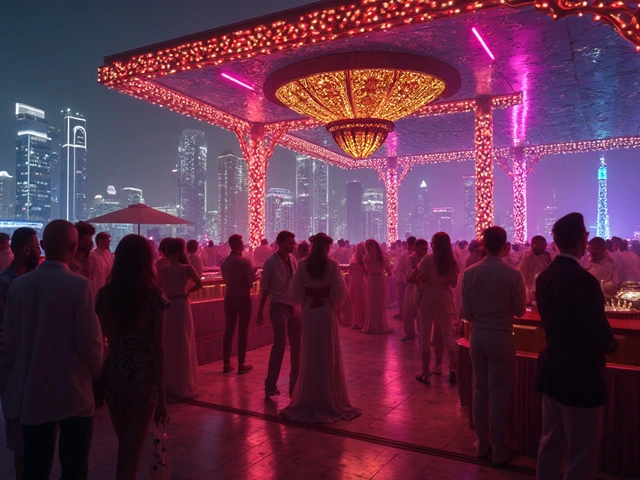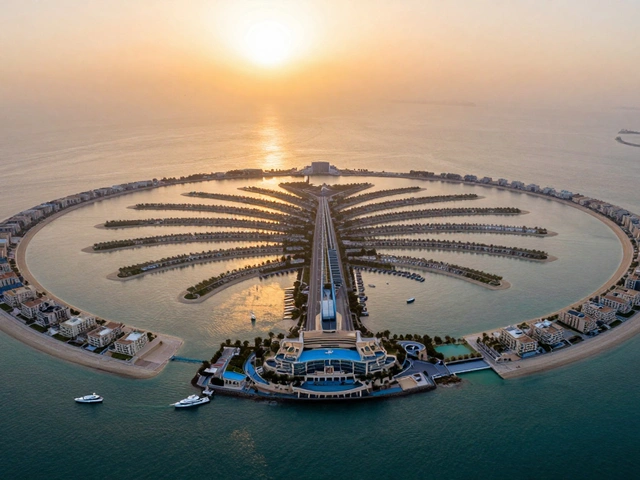
In Dubai, nightlife isn’t just about loud music, flashing lights, and crowded clubs. While those exist-yes, and in abundance-the city’s after-dark scene holds quiet corners, hidden rituals, and deeply local experiences that stay with you long after the last cocktail is sipped. If you’ve only ever seen Dubai’s nightlife through the lens of rooftop lounges and VIP bottle service, you’re missing the soul of what happens when the sun goes down here.
Evening Strolls Along Dubai Creek
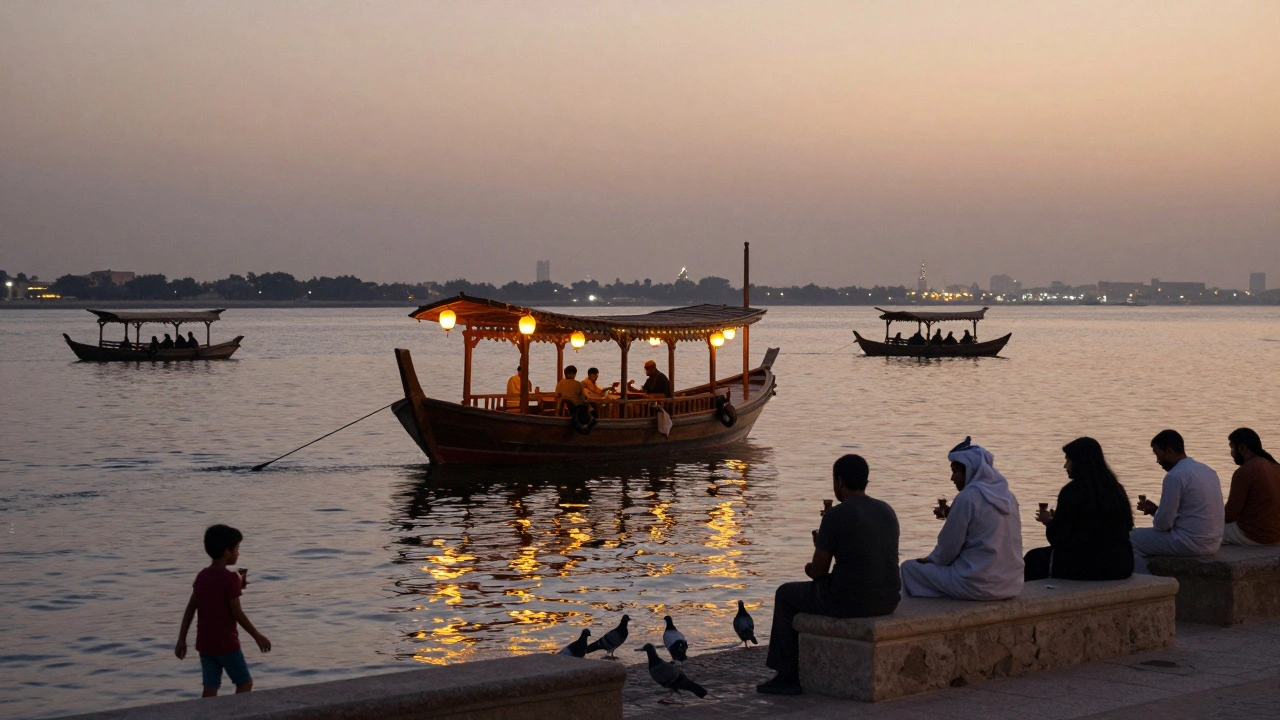
Just a 10-minute taxi ride from the glitter of Downtown, Dubai Creek offers a different rhythm. As dusk settles, the water turns gold, and the old trading dhows begin their slow, lantern-lit journeys. Locals sit on benches near Al Seef, sipping karak chai from paper cups, while children chase pigeons and street artists sketch silhouettes of the Abra boats. There’s no cover charge, no dress code, and no one rushing you. You can sit for an hour, watching the call to prayer echo across the water, then hop on an Abra for 1 dirham and cross to Bur Dubai, where the scent of oud and roasted nuts drifts from tiny shops still open past midnight. This isn’t a tourist attraction-it’s daily life.
Arabic Coffee and Storytelling at Al Fahidi Historical Neighbourhood
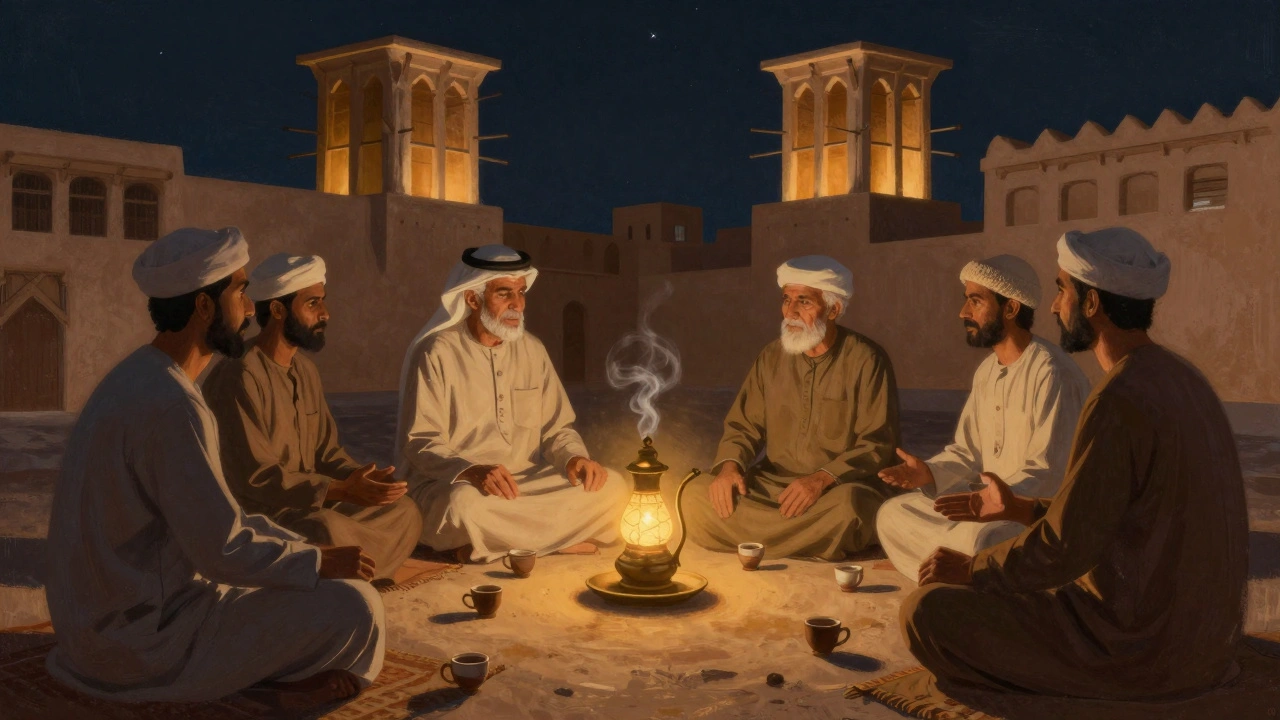
Step into the wind towers of Al Fahidi, and you’ll find a quiet revolution happening after dark. At Al Serkal Avenue’s cultural hubs, like The Courtyard or Art Dubai’s pop-up evenings, you’ll encounter intimate gatherings where Emirati elders share folk tales over Arabic coffee served in dallah pots. These aren’t performances-they’re conversations. You might hear about the pearl diving days of the 1950s, or how Dubai’s first night market, held in 1978, was just three stalls under a single lightbulb. Visitors are welcome to sit, listen, and ask questions. No one pushes you to buy anything. The only currency here is attention.
Stargazing in the Desert, Not on a Rooftop
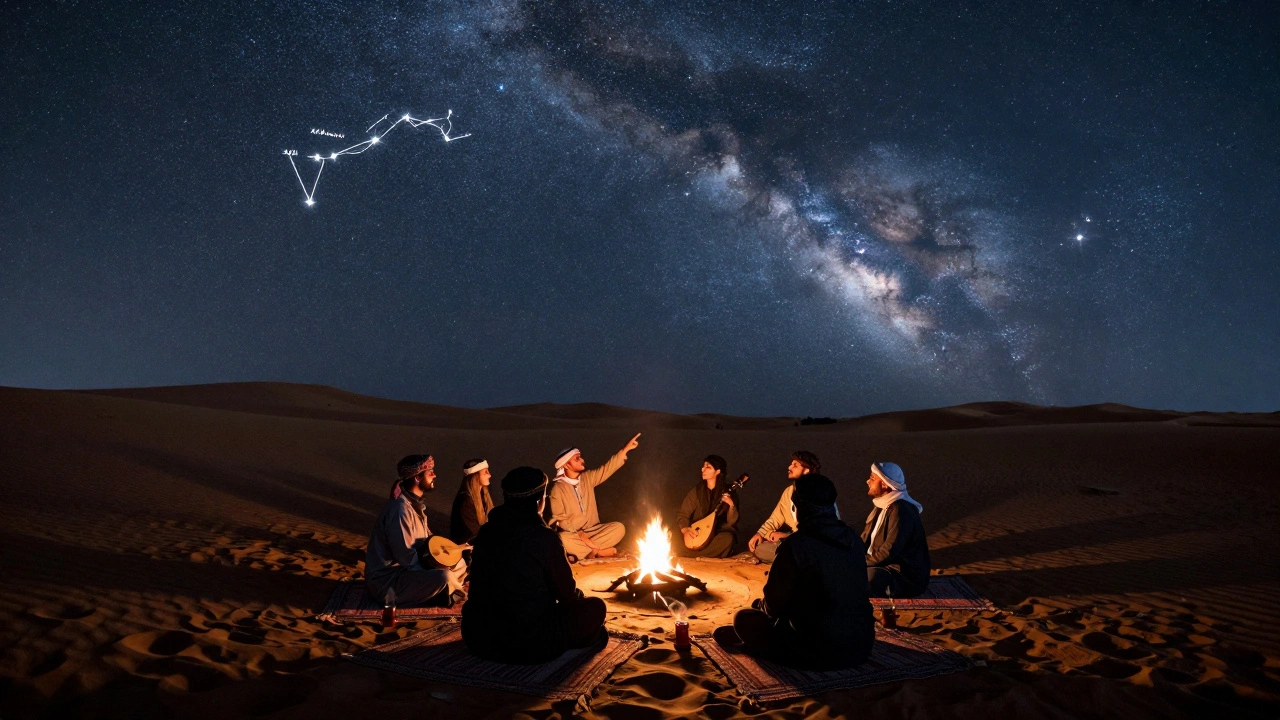
Most tourists think the desert is for dune bashing at sunset. But after 9 PM, when the temperature drops and the city lights fade behind the dunes, the real magic begins. Companies like Bedouin Nights and Emirates Desert Safaris now offer guided stargazing tours where Bedouin guides point out constellations using traditional names-like Al Dhiab (the Wolf) and Al Thurayya (the Pleiades)-passed down for centuries. They’ll brew mint tea over a fire, play a rababa (a single-stringed instrument), and tell stories of how desert tribes navigated by the stars long before GPS existed. You’ll leave with a deeper understanding of the sky above you-and the silence that comes when you’re truly away from the city’s noise.
Live Arabic Music Without the Crowd
You don’t need to book a table at Zuma or White Dubai to hear live oud and darbuka. Head to Al Qasba in Sharjah (just 15 minutes from Dubai), where every Friday night, local musicians gather under the lantern-lit arcades for Evenings of the Gulf. No bouncers, no VIP lists. Just a circle of chairs, a few cushions on the floor, and musicians who play because they love it. The audience? Families, students, retirees, and expats who’ve lived here long enough to know where the real music lives. You’ll hear Khaliji rhythms, Emirati folk songs like Al Ayyala, and even improvised poetry recited in Gulf Arabic. It’s raw, unfiltered, and unforgettable.
Bookstore Nights and Quiet Reading Lounges
At Bookword in Alserkal Avenue, the lights dim at 8 PM, and the chairs fill with people who come not to buy, but to read. The café serves cardamom coffee and dates, and there’s no Wi-Fi-just books, silence, and the occasional rustle of turning pages. On Tuesdays, they host Reading Under the Stars, where authors from across the GCC read excerpts from their unpublished work. Last month, a Dubai-based poet read a piece about waiting for the sea to return to her grandmother’s house in Ras Al Khaimah. No one clapped. Everyone just sat still, letting the words sink in. In a city that moves fast, this is a rare pause.
Midnight Markets with a Soul
Forget the Dubai Mall’s 24-hour boutiques. The real midnight markets are the ones that appear only on weekends, tucked behind industrial zones or near the old fish market in Deira. At Al Karama Night Market, vendors sell handmade oud incense, embroidered Emirati shawls, and fresh dates stuffed with pistachios-all from family-run stalls that have been here since the 1990s. You can haggle over a silver dagger, sip saffron milk from a clay cup, or watch a man hand-roll Arabic sweets as he talks about how his father taught him the recipe in 1972. These aren’t curated for Instagram. They’re lived in.
Why These Experiences Matter in Dubai
Dubai’s identity isn’t just about skyscrapers and luxury. It’s also about the quiet persistence of tradition, the resilience of community, and the dignity of spaces that don’t need to scream to be heard. The city’s rapid growth didn’t erase its soul-it just buried it under noise. These experiences aren’t tourist traps. They’re acts of cultural preservation. And they’re open to anyone willing to slow down, listen, and show up without expectations.
How to Find Them
- Follow local cultural accounts like @dubaicreativehub or @alserkalavenue on Instagram-they post weekly events without ads.
- Ask Emirati friends or long-term expats where they go after dark. They’ll rarely tell you the first time. Ask again.
- Visit during Ramadan: many of these experiences are most alive during the holy month, with extended hours and deeper meaning.
- Leave your phone in your pocket. The magic doesn’t photograph well. It’s felt.
Dubai’s nightlife doesn’t demand you dance. It asks you to be present. And in a city that’s always building something new, sometimes the most powerful thing you can do is simply sit still-and let the old world speak.
Are these non-party nightlife experiences safe in Dubai?
Yes. All the places mentioned-Dubai Creek, Al Fahidi, Al Qasba, Alserkal Avenue, and Al Karama-are in well-lit, public areas with high foot traffic, even late at night. Dubai has one of the lowest crime rates in the world, and these cultural spaces are actively supported by local authorities and community groups. You’ll often see families, elderly residents, and security personnel nearby. As long as you dress modestly and respect local customs, you’ll be welcomed.
Do I need to speak Arabic to enjoy these experiences?
No. While Arabic adds depth, most hosts and guides speak fluent English. At storytelling nights or stargazing tours, explanations are given in both languages. Many Emiratis are proud to share their culture with visitors and will adjust their pace and vocabulary to make you comfortable. A simple “Shukran” (thank you) goes a long way.
Can I visit these places alone as a solo traveler?
Absolutely. Many solo travelers-expats, digital nomads, and tourists-find these experiences deeply rewarding. Places like Bookword and Al Qasba are especially welcoming to individuals. You’ll often be invited to join a group, share a seat, or even be offered tea without being asked. The vibe is calm, respectful, and inclusive.
Are these experiences free or low-cost?
Most are either free or cost under 50 AED. Abra rides are 1 dirham. Coffee and dates at Al Fahidi are 10-15 AED. Stargazing tours start at 120 AED per person, but include tea, storytelling, and transport. Compare that to a cocktail at a rooftop bar-these offer far more meaning for less money.
When is the best time of year to experience these?
October through March is ideal-cooler evenings make outdoor spaces comfortable. Ramadan is especially powerful, with extended hours and deeper cultural energy. Avoid July and August if you’re sensitive to heat; even at night, temperatures can hit 35°C. Plan ahead: many events are weekly but not advertised widely. Check community boards or ask at local libraries like the Dubai Public Library.