
When you think of Dubai, you picture glass towers and luxury yachts—but long before the Burj Khalifa touched the sky, ancient architecture, the built environment of pre-modern Dubai shaped by desert life, trade routes, and Islamic design principles. Also known as traditional Emirati architecture, it was built to survive heat, wind, and isolation—not to impress tourists. These weren’t grand palaces or temples. They were simple, smart homes made from coral stone, palm fronds, and gypsum, cooled by wind towers and shaded by narrow alleyways. This was architecture that worked with the land, not against it.
Related to this are the traditional Emirati design, a system of building techniques passed down through generations, focused on passive cooling, privacy, and community, and the Dubai heritage, the cultural identity preserved in mosques, forts, and souks that still stand in Al Fahidi and Bastakiya. You won’t find these in Instagram ads, but they’re the reason Dubai’s identity isn’t just about money—it’s about resilience. The wind towers in Al Fahidi weren’t decorations. They pulled cool air down into homes. The thick walls in the Bastakiya houses weren’t for show—they held the chill of night through scorching days. And the courtyards? They were where families gathered, not for photos, but for life.
Today, these structures are rare. Most were torn down for malls and hotels. But the ones still standing—like the Dubai Museum in Al Fahidi Fort—are silent teachers. They remind us that luxury doesn’t have to mean concrete and steel. The ancient architecture of Dubai proves that beauty can be quiet, functional, and deeply human. If you’ve ever wondered why Dubai feels so different from other global cities, the answer isn’t in its towers. It’s in the cracks between the stones of its oldest buildings.
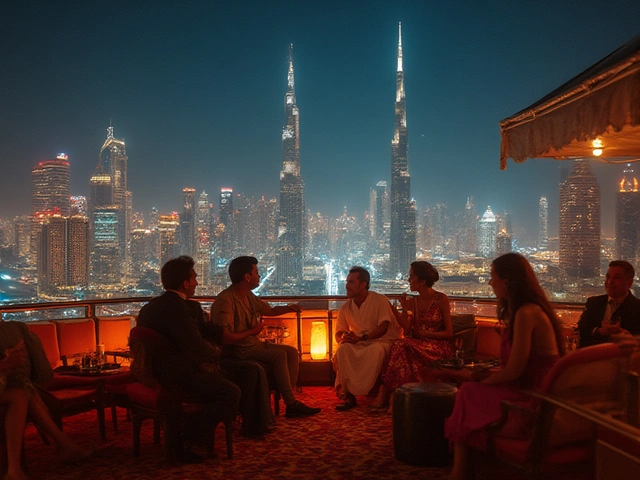
Below, you’ll find real stories from posts that dig into Dubai’s hidden past—how desert forts became luxury hotels, how old souks shaped today’s nightlife districts, and why even the flashiest rooftop bars sit on land once walked by pearl divers and traders. These aren’t just history lessons. They’re clues to understanding why Dubai still feels alive beneath the glitter.
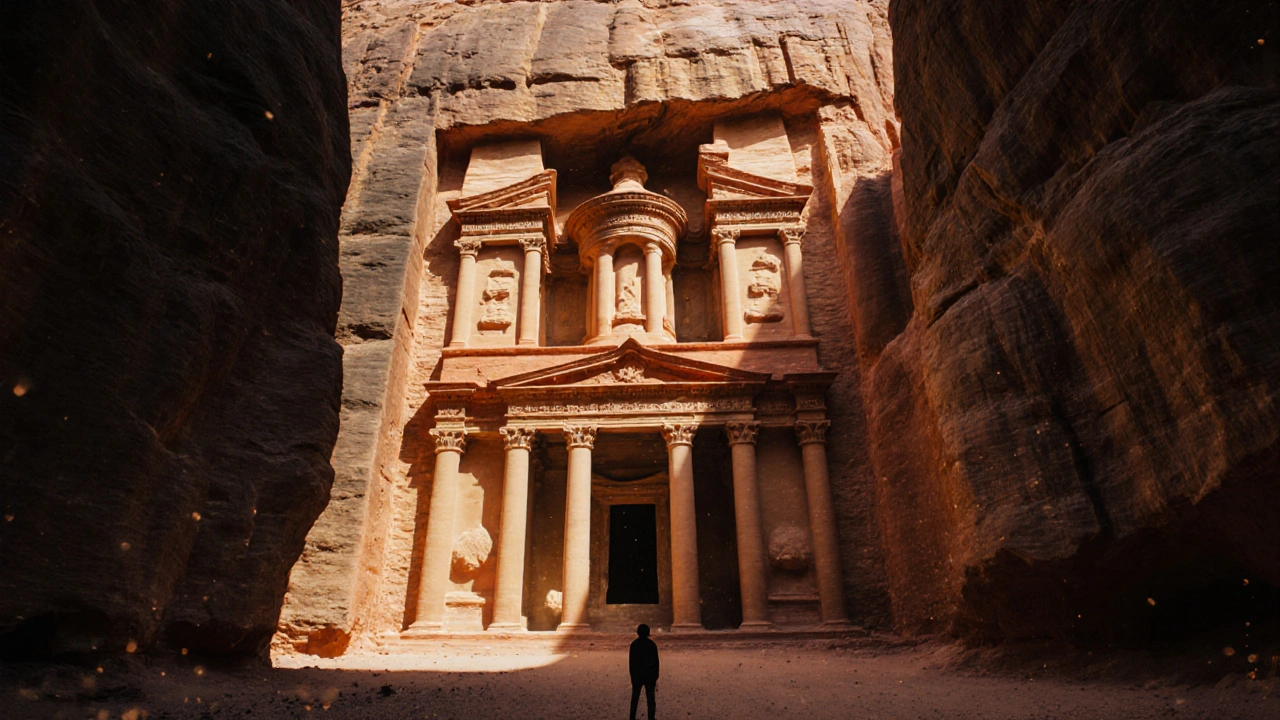
Explore the raw, soul-stirring power of ancient architectural wonders-from Petra to Angkor Wat-and discover why these sites deliver a deeper, lasting high than any modern luxury.
Mar, 5 2025
Apr, 14 2025
Jul, 7 2025
Jul, 10 2025
Feb, 9 2025