
When you think of Dubai, you picture luxury pools, sparkling fountains, and beaches that look like they’re straight out of a movie. But behind the glamour is a simple question: Dubai water quality, the safety and cleanliness of the city’s water supply for drinking, swimming, and daily use. Also known as UAE water standards, it’s not just about taste—it’s about whether you can sip from the tap, dive into the sea, or let your kids splash without risk. The answer isn’t what most tourists assume.
Dubai’s tap water comes from desalinated seawater, treated to meet strict international standards. The Dubai Electricity and Water Authority (DEWA) tests it daily, and it’s safe to drink. You won’t get sick from it. But here’s the catch—it’s not always pleasant. The taste can be salty or metallic, and the pipes in older buildings sometimes add a funky aftertaste. That’s why most locals and expats stick to bottled water for drinking. But that doesn’t mean the water is dirty. It’s clean, regulated, and monitored. The real issue isn’t contamination—it’s perception.
Now, what about the ocean? Dubai’s beaches are some of the most beautiful in the world, but are the waters safe to swim in? Yes. The Dubai Municipality tests beach water weekly for bacteria, pollutants, and algae. Most public beaches, like JBR Beach and Kite Beach, consistently score excellent ratings. Even the private beach clubs at Palm Jumeirah use filtered, treated water in their pools and lagoons. You won’t find sewage or industrial runoff. The water you see shimmering under the sun is monitored, tested, and clean. The only exception? After heavy rain, some drainage systems can briefly affect near-shore areas—but that’s rare and usually flagged on official sites.
And then there’s the Dubai Fountain. That massive water show you see every night? The water comes from a closed-loop system, recycled and filtered constantly. No chemicals are added to make it glow—it’s pure water with LED lighting. The same goes for the aquarium tunnels at Dubai Mall. The 10 million liters of water inside are filtered, oxygenated, and kept at precise levels. This isn’t just for show—it’s engineering that keeps marine life alive and visitors safe.
So why do so many people think Dubai’s water is risky? Because they see the desert. They hear about water scarcity. They assume a city built in the middle of nowhere must cut corners. But Dubai doesn’t cut corners on water. It invests billions to make sure it’s safe. The city treats more than 1 billion liters of seawater every day. It’s one of the most advanced desalination systems on Earth. You’re not drinking desert water. You’re drinking technology.
What you’ll find in the posts below isn’t a list of warnings—it’s a guide to where water matters most in Dubai’s luxury landscape. From the private pools at Burj Al Arab to the saltwater lagoons of Palm Jumeirah, from the hidden rooftop showers in Business Bay apartments to the filtered water in luxury villas, you’ll see how water quality shapes experience. You’ll learn why billionaire nightclubs use bottled water for ice, why some hotels filter their taps twice, and how the city’s obsession with cleanliness extends even to the water in its fountains. This isn’t about fear. It’s about knowing exactly where you can relax—and where you should just trust the system.
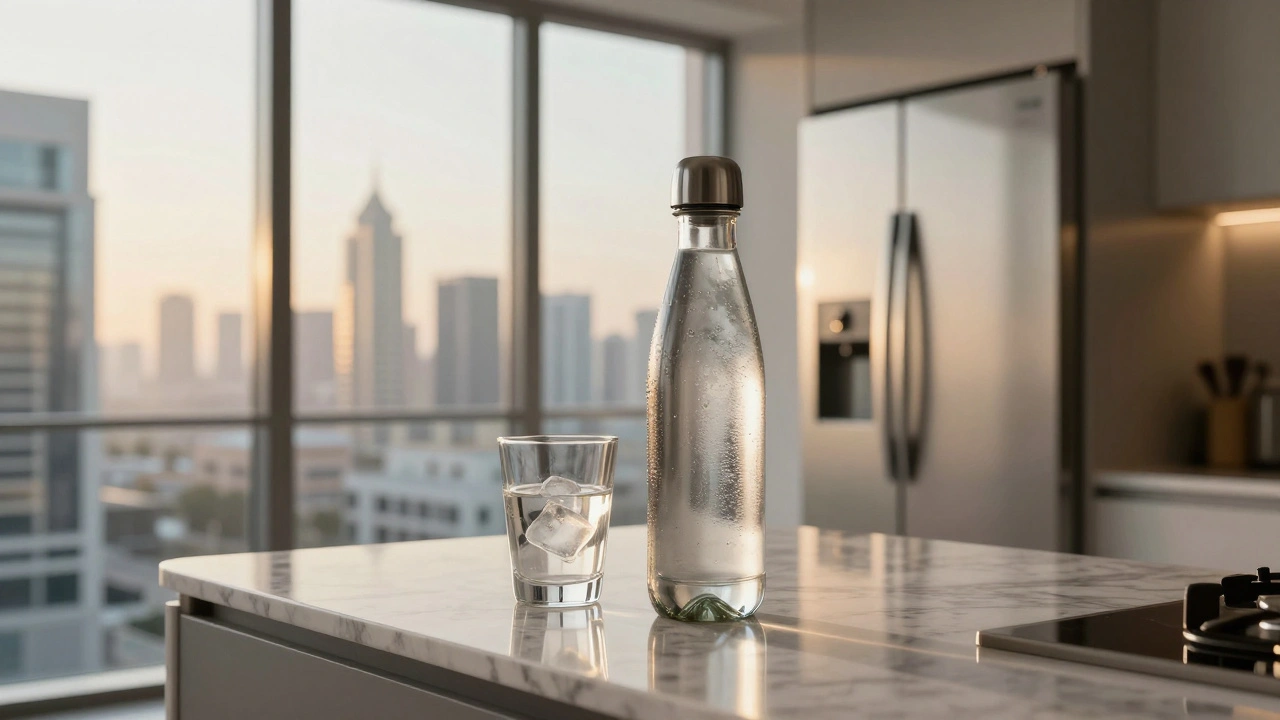
Dubai’s tap water is cleaner, cheaper, and safer than bottled. Learn why locals skip the plastic and drink straight from the tap - and how you can too.
Nov, 10 2025
Oct, 24 2025

Apr, 20 2025

Apr, 7 2025

Dec, 1 2025