
When you think of exotic eggs, unusual, high-value eggs served as luxury delicacies in elite dining experiences. Also known as rare eggs, it’s not just about taste—it’s about status, rarity, and the thrill of eating something few have tried. In Dubai, these aren’t novelty snacks. They’re part of a culture where food is performance, and every bite is a statement. You won’t find them at your local café. You’ll find them in private dining rooms above the Burj Al Arab, tucked into tasting menus at 7-star restaurants, or quietly offered as a surprise course to those who know where to look.
Burj Al Arab dining, the pinnacle of luxury culinary experiences in Dubai, often featuring rare ingredients like exotic eggs. Also known as Al Muntaha, it’s where chefs source ostrich, quail, and even pheasant eggs from private farms across the Emirates and beyond. These aren’t just garnishes. They’re the centerpiece. A single ostrich egg, weighing over 3 pounds, serves six people and costs more than your average dinner in most cities. It’s served with truffle foam, gold leaf, and a side of silence—because in Dubai, luxury doesn’t shout. It whispers. And then it leaves you speechless. exotic cuisine UAE, a growing category of high-end, culturally bold food experiences centered on rare ingredients. Also known as luxury Middle Eastern gastronomy, it’s what turns a meal into a memory. Dubai’s elite don’t eat to fill their stomachs. They eat to feel something. To be reminded they’re not like everyone else.
It’s not just about the Burj. Look deeper. At hidden supper clubs in Business Bay, chefs are experimenting with duck eggs cured in saffron and rosewater. At desert pop-ups during Ramadan, you’ll find camel eggs—rare, creamy, and served with date syrup—offered only to guests who’ve been invited. These aren’t tourist traps. They’re secrets passed through word of mouth, reserved for those who know how to ask. And yes, they’re expensive. But in Dubai, price isn’t a barrier—it’s a filter.
What makes exotic eggs different here? It’s not just the source. It’s the story. The ostrich egg? From a farm outside Al Ain, raised under controlled heat and light. The quail? Hand-collected from private aviaries in the Hajar Mountains. The pheasant? Imported from France, but cured with local cardamom and dried limes. Every egg comes with a name, a place, and a reason. This isn’t food tourism. It’s culinary espionage.
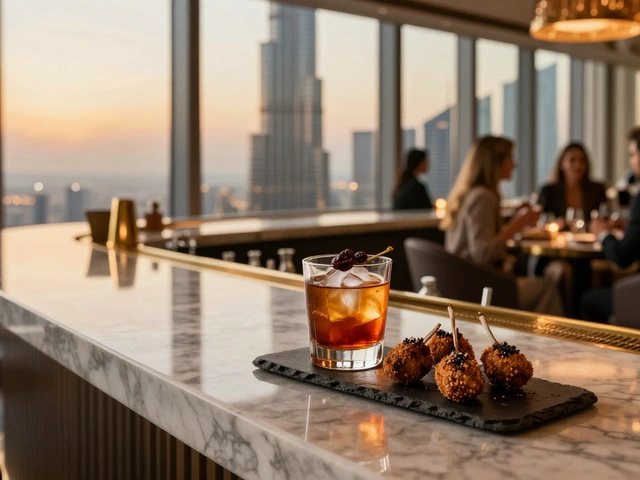
You won’t find these on menus. You won’t see them advertised. But if you’ve dined at the top spots in Dubai—if you’ve been inside Al Muntaha, sat at Cavalli Club after midnight, or been invited to a private tasting at the Dubai Frame’s rooftop lounge—you already know they exist. And you know they’re worth every dirham.
Below, you’ll find real stories from those who’ve tasted them. The chef who smuggled camel eggs into the city. The billionaire who ordered a dozen ostrich eggs for his birthday party. The woman who ate a single quail egg and cried because it tasted like her childhood in Morocco. These aren’t just posts. They’re firsthand accounts from the edge of luxury dining—where eggs aren’t breakfast. They’re a revolution.
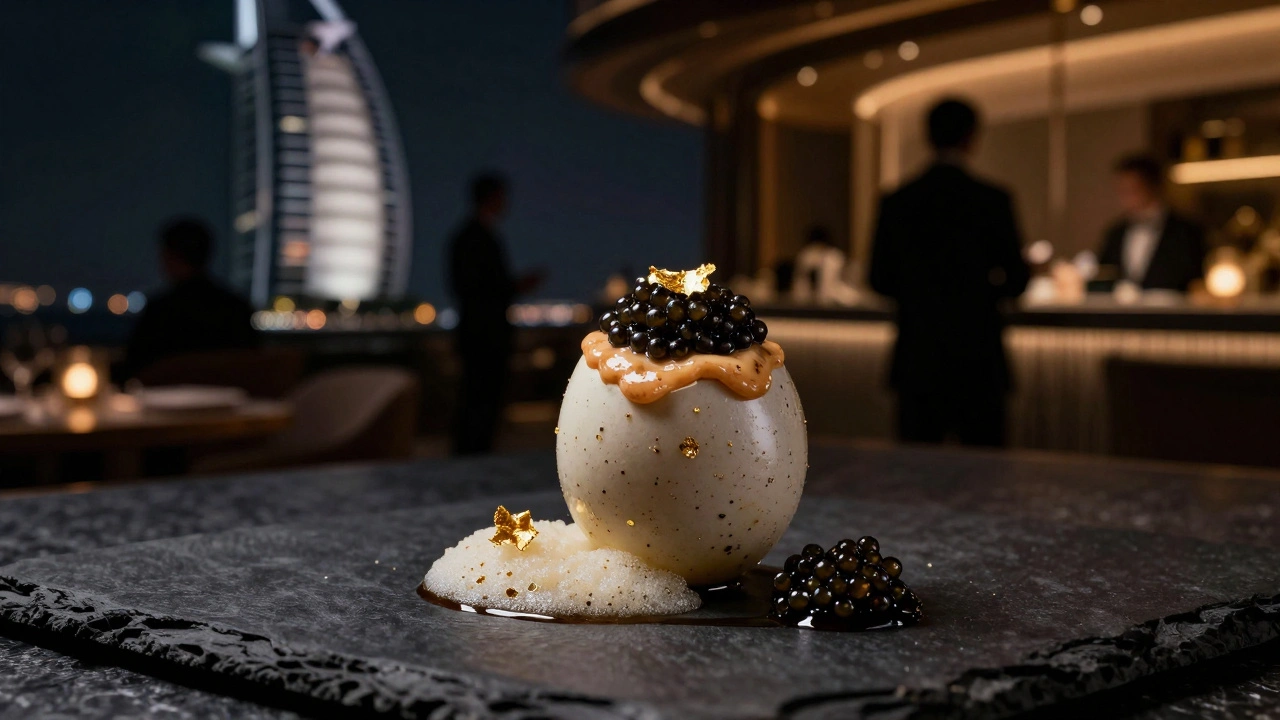
Dubai's hidden egg experience isn't about breakfast-it's a whispered luxury ritual that costs hundreds and changes how you see yourself. Here's how to find it, why it's worth it, and what it really feels like.
Nov, 18 2025

Feb, 28 2025

May, 30 2025
Jan, 26 2026
Jul, 18 2025