
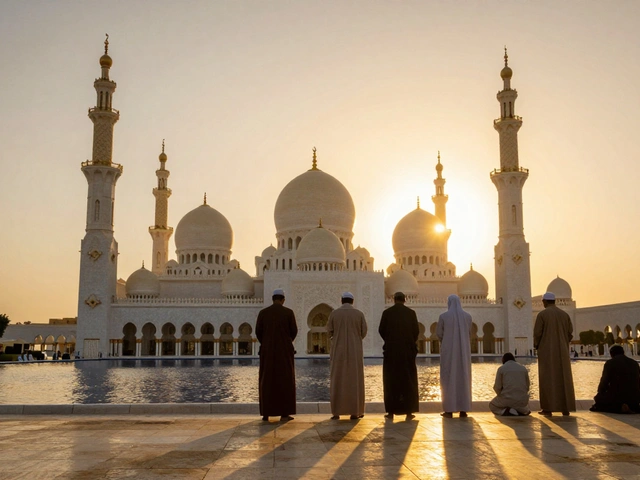
When you're in Dubai during Muslim fasting hours, the daily period when observant Muslims abstain from food, drink, and other physical needs from dawn to sunset. Also known as Ramadan fasting, it's not just a religious practice—it shapes the rhythm of the entire city. These hours aren't fixed. They shift every day based on the Islamic lunar calendar and the exact time of sunrise and sunset over the desert skyline. In summer, fasting can stretch past 15 hours. In winter, it drops closer to 10. The city doesn't shut down, but it slows down—quietly, respectfully, powerfully.
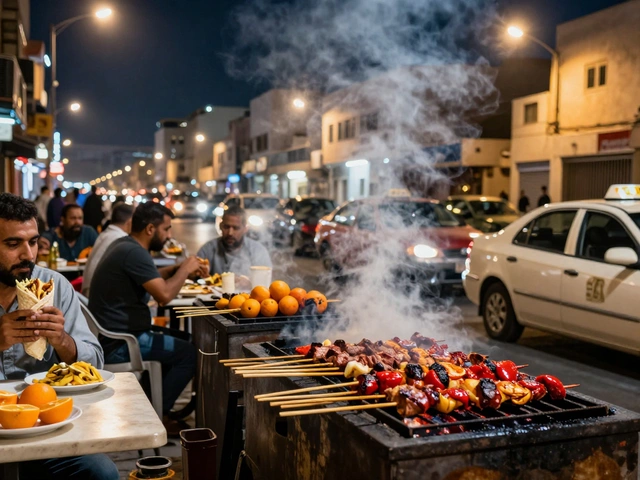
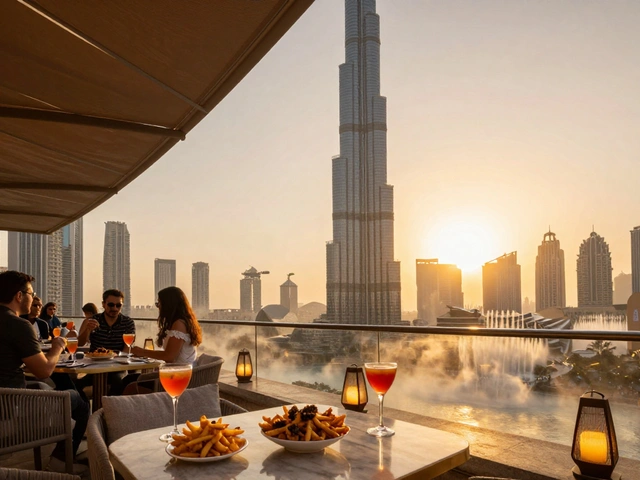
What happens during Iftar, the meal that breaks the fast at sunset. Also known as breaking fast, it's when Dubai transforms. Rooftop lounges that buzz with cocktails by day turn into warm, candlelit spaces serving dates, soups, and grilled meats. Hotels offer elaborate buffets. Families gather. Even non-Muslims find themselves invited to share a plate—it’s not just tradition, it’s hospitality built into the culture. Then there’s Suhoor, the pre-dawn meal before fasting begins. Also known as sehri, it’s when the city’s quietest hours come alive with late-night cafes and 24-hour grocery runs. You’ll see people stocking up on eggs, bread, and labneh long before sunrise. The rhythm of life here is tied to the sun, not the clock.
As a visitor, you don’t need to fast. But you do need to respect it. No eating, drinking, or smoking in public during fasting hours—not just out of politeness, but because it’s the law. Hotels and private spaces are fine, but the streets? They’re silent. Even nightlife shifts. Clubs close earlier. Music fades. The city doesn’t stop being Dubai—it just becomes something quieter, deeper. You’ll notice it in the way people smile at you after sunset, offering a date or a glass of water. You’ll feel it in the way the air cools just as the call to prayer echoes across the skyline.
What you’ll find below are real stories from people who’ve lived through these hours in Dubai—whether they’re locals observing Ramadan, expats adjusting to the rhythm, or travelers who stumbled into an Iftar feast by accident. You’ll learn where to find the best Iftar spreads without paying tourist prices. You’ll see how the Dubai Fountain dims its lights at sunset. You’ll understand why the Miracle Garden closes early, and why the Burj Al Arab serves its most luxurious meals after dark. This isn’t a guide to religion. It’s a guide to the pulse of the city when the sun goes down—and how to move through it with awareness, not ignorance.

Discover the real Iftar experience in Dubai - when Muslims stop eating, where the best food and hottest moments happen, and why this Ramadan ritual is more erotic than any club in the city.
Feb, 8 2026
Feb, 11 2026
Jul, 28 2025
Feb, 9 2025
Feb, 17 2026