
When you think of world heritage, sites recognized by UNESCO for their cultural or natural significance to all humanity. Also known as UNESCO World Heritage Sites, these are more than tourist stops—they’re living pieces of human history that survived time, development, and even the rush of modernization. Dubai doesn’t have a single UNESCO-listed site yet, but that doesn’t mean it lacks heritage. The city’s soul isn’t in its tallest buildings—it’s in the quiet corners where old Dubai still breathes. Places like Al Fahidi Historical Neighbourhood, the Dubai Creek, and the old wind-tower houses aren’t on the official list, but they carry the same weight as any World Heritage site. They’re where Emirati traditions, trade routes, and community life were built before oil changed everything.
What makes these spots matter isn’t their fame—it’s their authenticity. The Al Fahidi Historical Neighbourhood, a preserved 19th-century district with narrow alleys, coral-stone houses, and traditional wind towers. Also known as Bastakiya, it’s where Dubai’s merchant families once lived, traded pearls, and welcomed sailors from India and Persia. Walk through its courtyards, and you’re stepping into a Dubai most visitors never see. Then there’s the Dubai Creek, the natural inlet that turned a fishing village into a trading hub over 200 years ago. Also known as Abra Waterway, it’s where wooden dhows still carry cargo, just like they did in the 1800s. These aren’t staged experiences—they’re functional, breathing parts of daily life. You’ll find elders sipping cardamom coffee under shaded awnings, artisans repairing wooden boats, and kids playing near the water’s edge. This is heritage you can touch, smell, and hear.
And while Dubai rushes forward with glass towers and neon clubs, these places remind you why the city even exists. The Dubai Museum, housed in the city’s oldest fort, built in 1787 to defend against invaders. Also known as Al Fahidi Fort, it’s where you’ll find dioramas of pearl diving, desert life, and early Bedouin customs. It’s not flashy, but it’s honest. No holograms, no VR headsets—just real tools, real stories, real people. These spots don’t need a UNESCO seal to matter. They’re the quiet backbone of Dubai’s identity. And if you want to understand what makes this city more than a luxury showcase, you start here. Below, you’ll find real stories from locals, hidden corners, and the unsung places that keep Dubai’s soul alive—even when the world only sees the skyline.
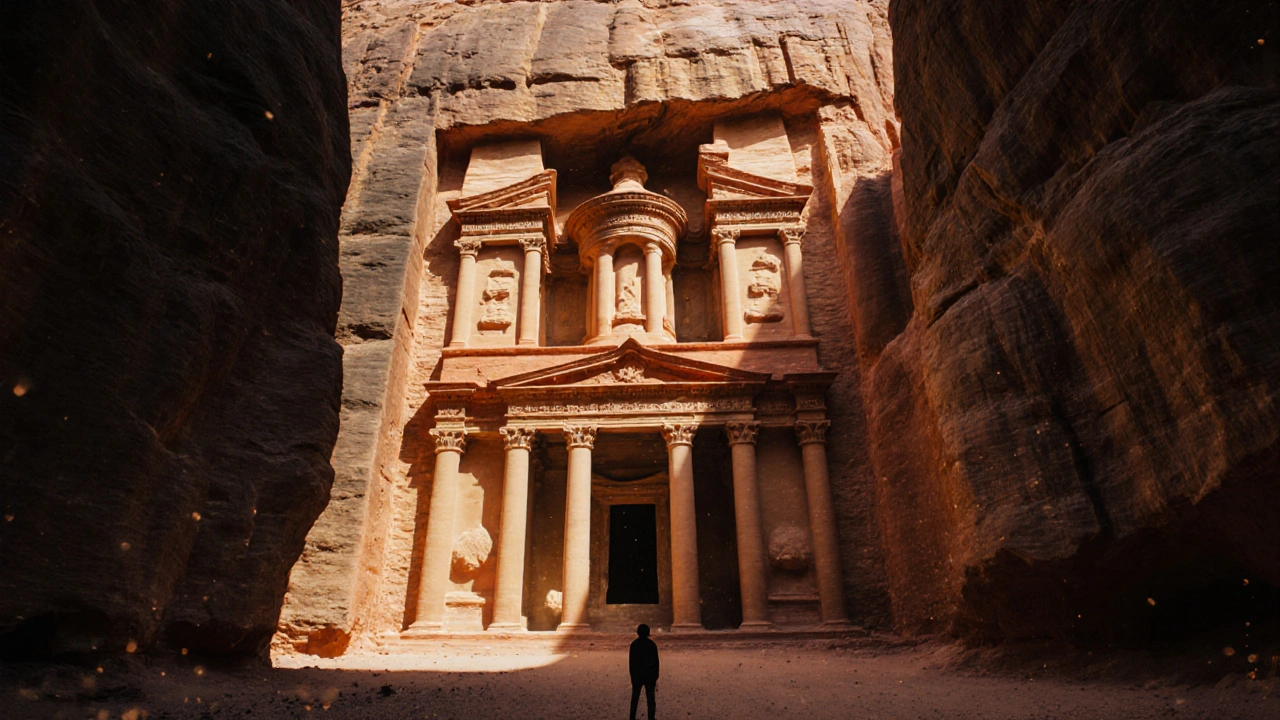
Explore the raw, soul-stirring power of ancient architectural wonders-from Petra to Angkor Wat-and discover why these sites deliver a deeper, lasting high than any modern luxury.

Jan, 5 2026
May, 9 2025
Jul, 20 2025

Apr, 24 2025
Dec, 1 2025