Rethinking the Dubai After-Dark Experience
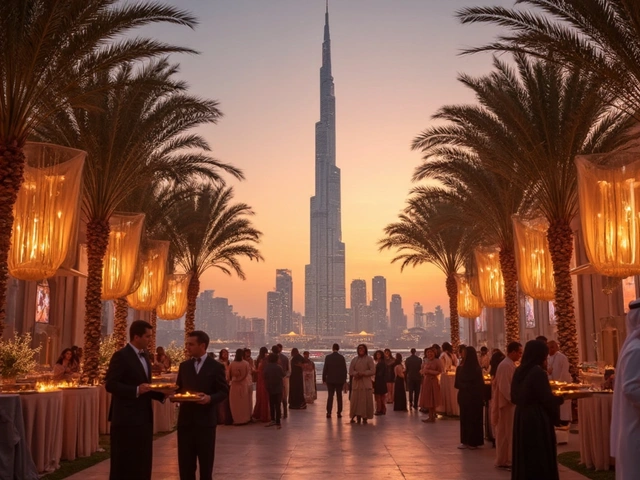
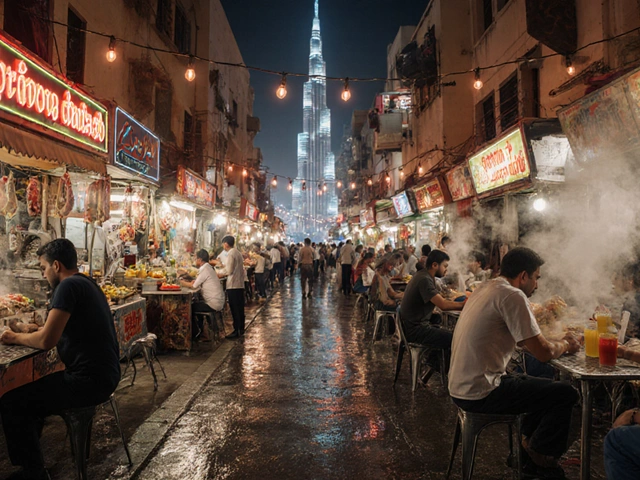
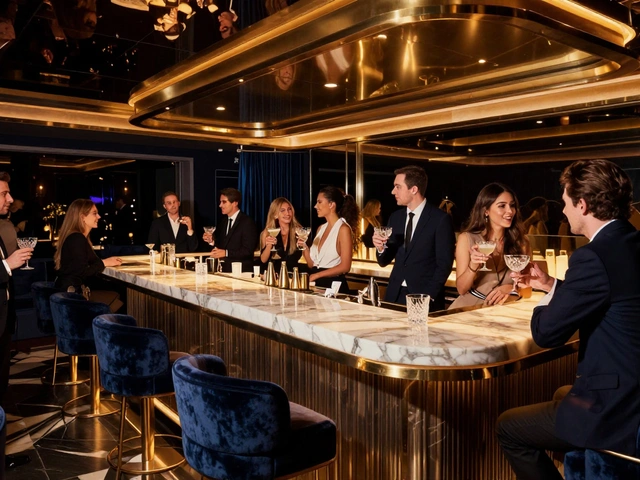
When most visitors picture the city after sunset, they imagine neon lights reflecting off the Burj Khalifa or long lines for VIP tables at ultra-exclusive clubs. That scene exists, but it misses half the story. The real pulse of Dubai Nightlife beats harder in the quiet corners where residents actually gather. As we move past the initial tourist wave in late March, the weather begins to shift toward summer, and the local crowd adjusts its habits. This guide strips away the glitz to reveal spaces defined by atmosphere, community, and genuine conversation.
Dubai is a cosmopolitan metropolis known for its blend of modern luxury and traditional heritage sites. Located in the United Arab Emirates, it offers a diverse range of evening activities beyond the high-rise districts.Beyond the High-Rise Districts
Downtown Dubai and DIFC get all the press, but the energy here can feel transactional. If you are looking for a drink that costs less than a car payment, you need to head south or east. The historic districts of Bur Dubai offer a slower pace. Here, you walk through the Textile Souk to reach small hotels that house unassuming pubs. These venues often feature local rock bands playing covers rather than international DJs spinning tracks. It is a stark contrast to the EDM playlists dominating Palm Jumeirah.
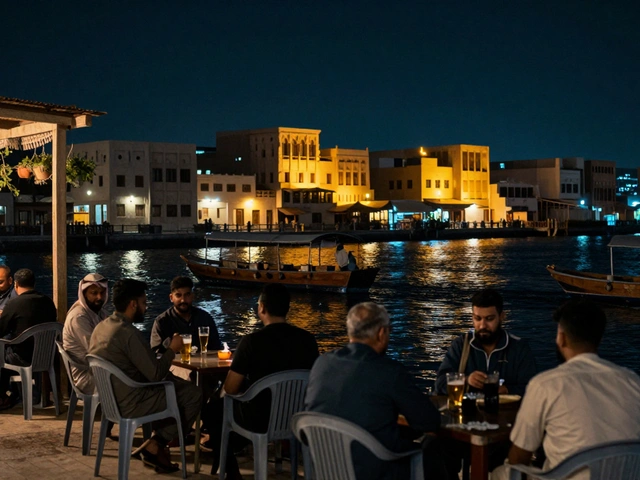
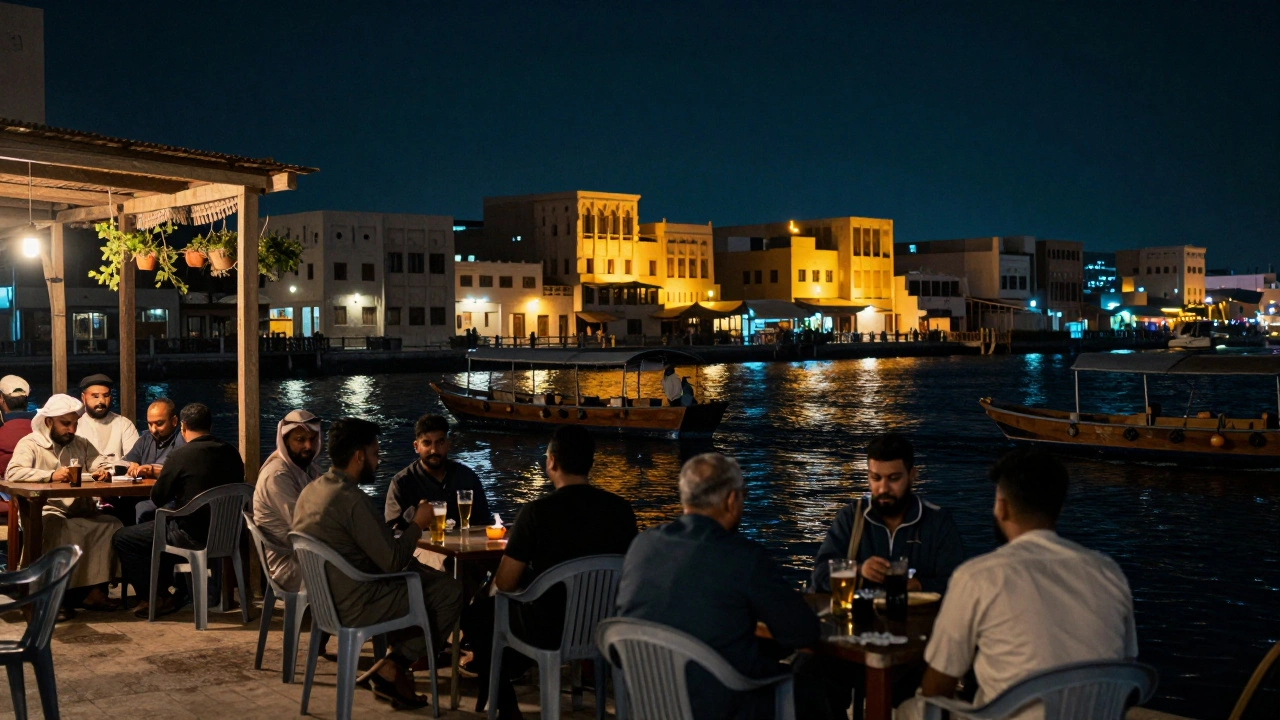
The architecture itself tells the story. Many buildings in these older areas retain low-rise structures that allow for outdoor seating under starlight rather than under glass ceilings. Walking along the banks of the Dubai Creek at midnight offers a breeze that is rare in the Marina. You find yourself sitting on plastic chairs drinking local craft beer while watching the abras boats cross the water. This proximity to the heritage core changes the vibe entirely.
The Industrial Chic of Alserkal Avenue
For those who prefer art and conversation over dancing, Alserkal Avenue has become the center of gravity for the creative scene. Technically, this zone in Al Quoz is an industrial estate filled with warehouses converted into galleries and cafes. However, when the sun sets, several of these spaces transform into speakeasy-style lounges.
You won't find hostess desks checking guest lists here. Instead, you arrive via Instagram announcements or word-of-mouth among the expat community. The lighting is moody, often utilizing vintage fixtures found in the building's original state. Because the area is mixed-use, you can visit an art installation, grab dinner at a food truck parked nearby, and then transition to a bar without leaving the complex. This variety is something you cannot easily replicate in purpose-built nightlife districts like Atlantis.
Alserkal Avenue provides a cultural hub featuring art galleries, coworking spaces, and casual dining options. Located in Industrial Area 3, it remains open until late on weekends.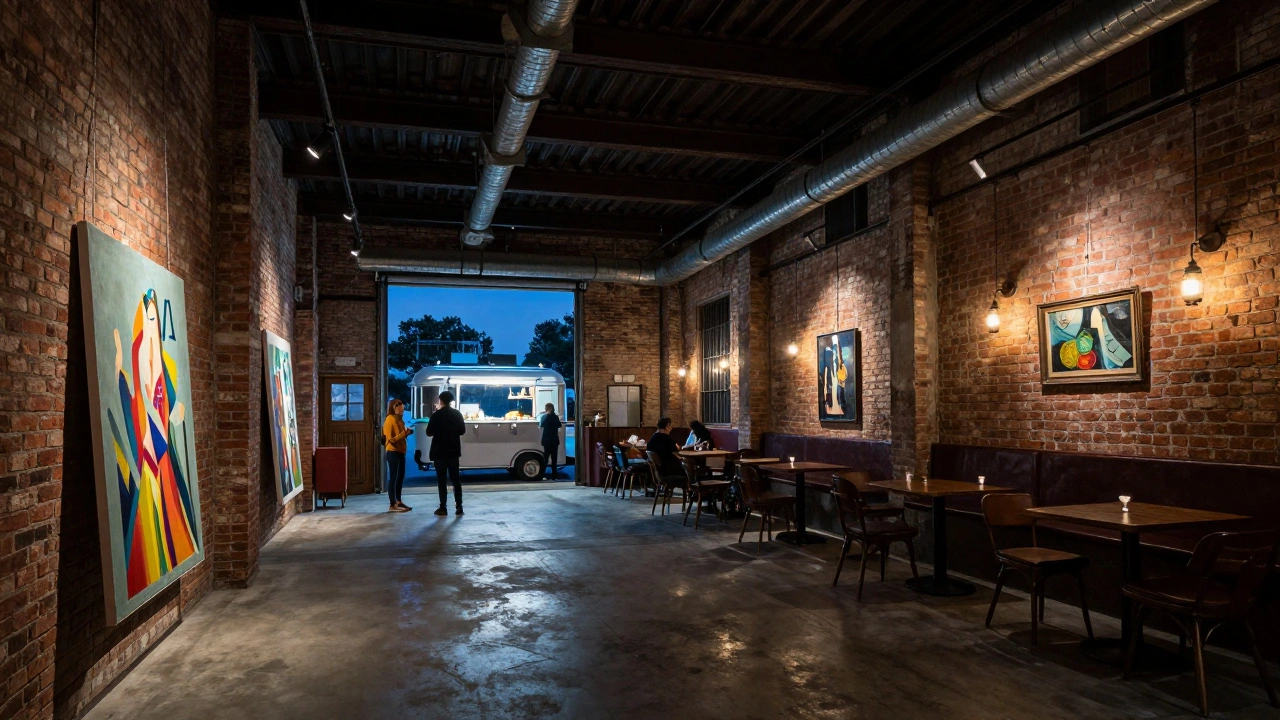
Deira and the Lost Arts of Socializing
Cross the creek to Deira, and you step back in time. This district was the heartbeat of trade before the skyscrapers rose. Today, it hosts some of the most affordable nightlife in the emirate. Several heritage hotels have been refurbished to maintain their classic charm, housing rooftop bars that overlook the bustling port traffic.
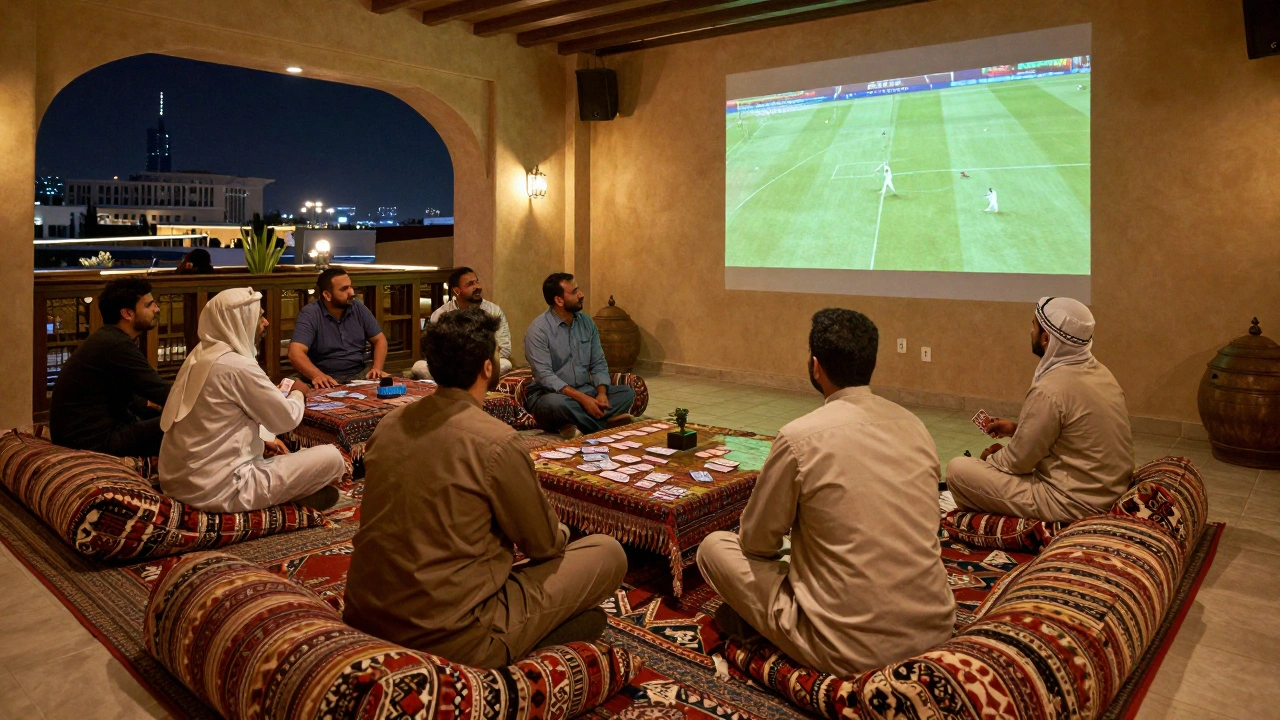
Nearby, you will find traditional majlis-style setups. In these settings, the floor level is lowered, cushions are piled high, and guests sit together to play card games or watch football matches projected on large screens. It requires adjusting your expectations-you aren't coming here to dance, but to socialize. This environment appeals particularly to families or groups of friends who prioritize longevity of the evening over intensity.
Logistics: Navigating the Late Hours
One of the biggest hurdles for visitors is simply getting home safely and legally. Unlike some global cities where public transit runs all night, Dubai relies heavily on taxis during peak nighttime hours. Understanding the layout of the Roads and Transport Authority (RTA) network saves frustration.
- Taxi Availability: Metered taxis run frequently, but surge pricing apps can double fares. Stick to Hala apps for fixed pricing.
- Metro Closures: The metro stops running around midnight, except on Fridays when it extends slightly later for prayers and gatherings.
- License Rules: Carry physical ID cards. Digital versions work, but bouncers often prefer physical verification.
- Driving Curfews: Alcohol consumption means zero tolerance driving. Designate a sober driver or order a ride-share service.
If you plan to drive yourself, remember that police patrols increase significantly after 10 PM on weekends. Breathalyzer tests are routine, not random penalties. Planning your exit strategy before arriving at the venue prevents a stressful night ending in legal trouble.
Seasonal Shifts and Climate Considerations
Timing your outing matters immensely in the UAE. In March, temperatures hover around 30°C, making outdoor seating viable until late at night. By June, the humidity rises, forcing venues to move patrons indoors into climate-controlled environments.
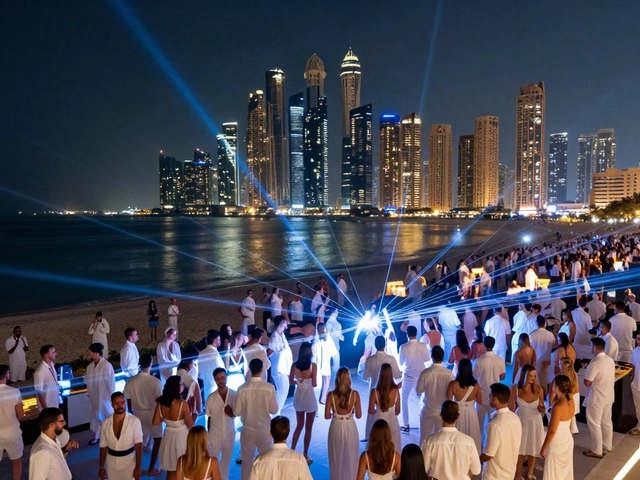
This seasonal shift dictates where you should go. During winter months, Al Wasl Plaza or beach clubs remain active outdoors. Come summer, the action shifts underground to sub-basement lounges. Knowing this allows you to book reservations that match the weather conditions rather than fighting the heat. Some top-tier establishments actually stop offering outdoor sections entirely during the peak summer period, changing their entire operational footprint.
Culinary Pairings for the Late Night
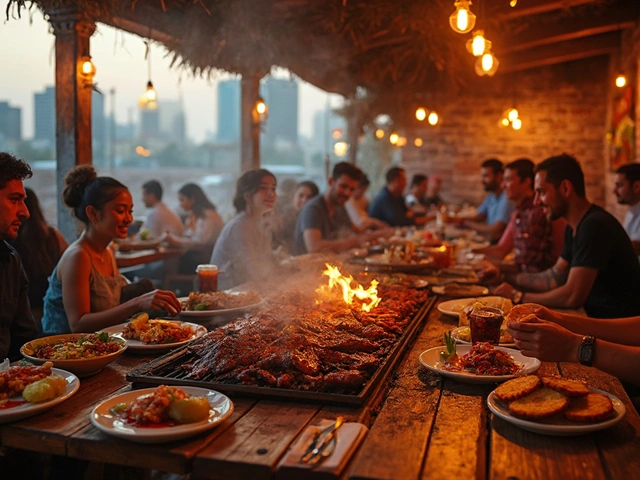
A proper night out rarely ends with a drink. The hunger for carbs often strikes between 1 AM and 3 AM. Fortunately, certain restaurants cater specifically to this window. While most kitchens close early, a few iconic spots keep grills going until dawn.
| Neighborhood Comparison | |||
|---|---|---|---|
| Area | Vibe | Price Range | Transportation Access |
| Bur Dubai | Retro & Casual | $$ | Bus/Metro |
| DIFC | Luxury & Business | $$$+ | Metro/Taxi |
| Alserkal Ave | Creative & Trendy | $$ | Taxi Only |
| Jumeirah | Beach & Lounge | $$ | Taxi/Cab |
In Jumeirah, street-side shawarma stands operate late into the night. For a sit-down experience, look for seafood joints near the Corniche that serve fresh catch prepared immediately upon request. Combining these food stops with a cocktail crawl creates a complete narrative for the evening.
Respecting Local Culture and Customs
While the city is open-minded, public behavior follows strict guidelines. Public intoxication is illegal and severely punished. Noise levels in residential compounds are monitored closely. If you choose to party in private locations, ensure your venue permits alcohol licenses.
During Holy Month observances, schedules change completely. Many establishments close doors entirely for daytime meals, reserving operations strictly for Iftar and Suhoor times. Respecting these rhythms is part of being an insider rather than a visitor. Locals adapt; tourists often get caught off guard.
Hidden Gem Checklist for Planning
To curate your own night, consider these factors before heading out:
- Location Proximity: Stay central to minimize travel costs.
- Music Genre: Verify playlists match your mood beforehand.
- Dress Code: Smart casual works everywhere, avoid flip-flops for upscale spots.
- Pricing: Check cover charges on official social media pages.
- Safety: Inform a friend of your location for security.
Using this checklist ensures you spend money on the experience, not on solving logistical problems mid-evening.
Is it safe to walk alone at night in Dubai?
Yes, generally speaking, Dubai maintains very low crime rates even at night. Well-lit tourist areas and busy districts like Downtown are extremely safe. However, always stay aware of your surroundings and avoid isolated desert roads late at night.
What is the typical dress code for nightlife venues?
Most bars require smart casual attire. Men should wear collared shirts and trousers, avoiding shorts or sportswear in higher-end venues. Women can wear fashionable dresses, but modesty is respected in family-oriented zones.
Do I need a specific license to drink alcohol in Dubai?
Tourists do not need a personal license to consume alcohol in licensed hotels and venues. Residents purchasing from retail stores like MMI or African + Asian Market require a liquor license.
When do nightclubs usually close?
Most major clubs operate until 3:00 AM or 4:00 AM on weekends. Lounges and bars typically close earlier, around midnight or 1:00 AM, depending on the specific municipality regulations.
Are there any areas where alcohol is prohibited?
Public consumption of alcohol is strictly forbidden outside of licensed premises. Drinking in parks, beaches, or residential areas without a permit can lead to heavy fines or legal consequences.
How much does a taxi cost late at night?
Standard metered taxis charge base fares plus distance rates. Surge pricing applies during peak hours or holidays. Using the Hala app guarantees transparent pricing without hidden fees.
Can I smoke shisha in all public places?
No, smoking is restricted to designated areas. Shisha is available in many cafes and lounges but only within specific indoor or outdoor smoking zones marked clearly.
What is the best time to visit Dubai for nightlife?
The best period is between November and March when the weather allows for outdoor seating. May through October becomes too hot for walking or beachside venues due to extreme heat.
Do credit cards work everywhere in nightlife spots?
Most established venues accept cards, but smaller clubs might require cash for tips or entrance fees. Always carry some Dirhams just in case payment terminals fail.
Is photography allowed inside venues?
Many venues prohibit flash photography or video recording for privacy reasons. Always ask staff permission before taking photos of other guests.