Let’s cut through the noise. You think historical sites are just old rocks and dusty plaques? Nah. They’re time machines with free Wi-Fi and zero dress code. I’ve stood in the shadow of the Pyramids at 4 a.m., sipping lukewarm tea while a local guide whispered how the slaves who built them were paid in bread and beer. Not slaves. Workers. With unions. And overtime. That’s the kind of truth you don’t get from a textbook. That’s the kind that sticks.
What are historical sites really?
They’re not monuments. They’re archives you can walk through. The Colosseum isn’t just stone-it’s a 2,000-year-old Netflix binge of gladiator drama, political theater, and crowd psychology. The Alamo? It’s not a battle. It’s a 19th-century viral meme turned into a national myth. Historical sites are where facts stop being facts and start being feelings. You don’t memorize the date of the Treaty of Versailles. You stand in the Hall of Mirrors and feel the weight of a world that thought peace could be signed like a lease.
Here’s the raw truth: museums teach you. Historical sites make you remember. One’s a lecture. The other’s a punch to the gut.
How do you get it?
You don’t book a tour. You book a moment.
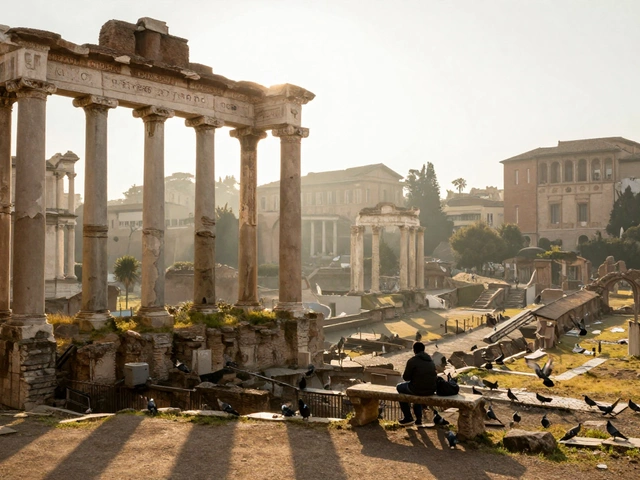
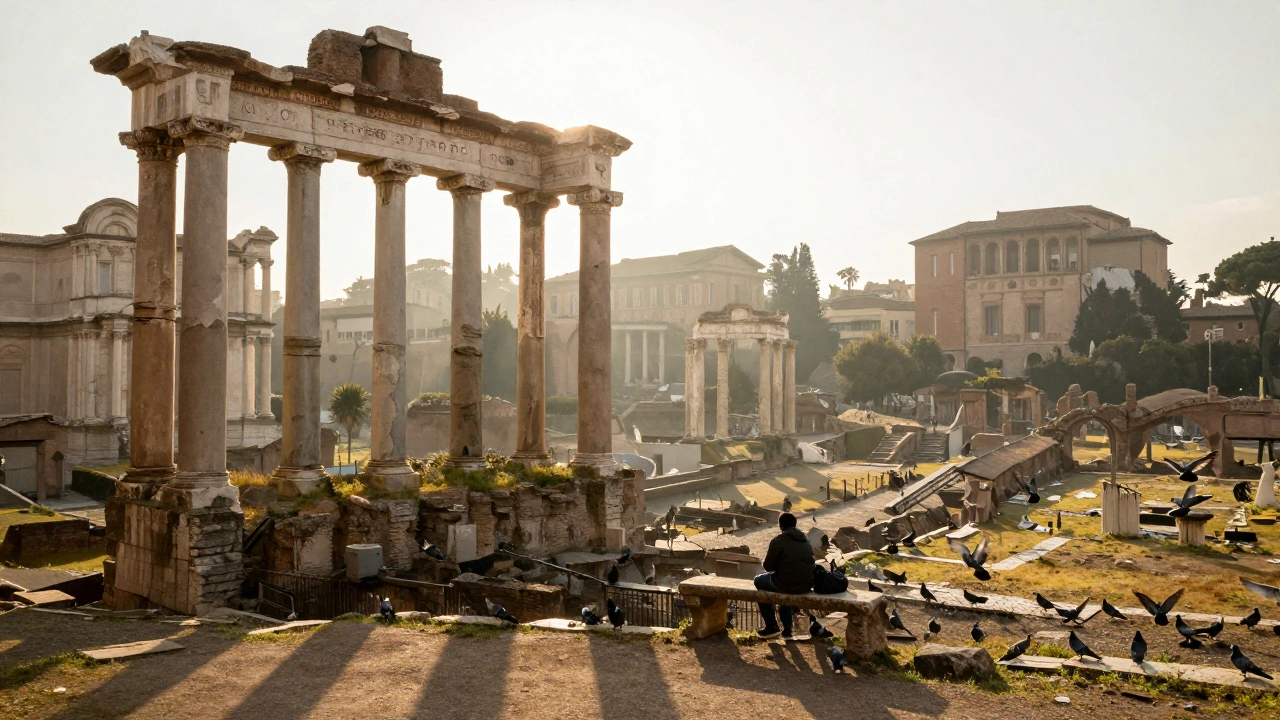
Start with the obvious: Rome. A full-day pass to the Roman Forum, Palatine Hill, and Colosseum? €24. You’ll spend 6 hours walking where emperors walked, where senators plotted, where the crowd roared for blood. No headset. No guide. Just you, the echo, and the sun beating down like a drum. You’ll find a bench near the Temple of Saturn and just… sit. Watch the pigeons. Listen to the wind. That’s when it hits you-the past isn’t gone. It’s still breathing.
Want cheaper? Try Angkor Wat. Entry: $37 for a 1-day pass. You rent a bike for $2. Ride through the jungle at dawn. The temples rise like broken teeth from the earth. No crowds. Just moss, silence, and the occasional monk chanting in the distance. You’ll sweat. You’ll get lost. You’ll find something deeper than a photo op.
And don’t skip the U.S. sites. Gettysburg? Free. Stand on Little Round Top at sunset. A park ranger will tell you how the 20th Maine held the line with bayonets and sheer will. No actors. No reenactments. Just the wind. And the weight.
Why is it popular?
Because scrolling is exhausting. You’re tired of TikTok. Tired of influencers posing with pyramids like they’re influencers. You want real. You want texture. You want to feel the cold stone of Machu Picchu under your palm. To smell the salt air at Pompeii and realize that 2,000 years ago, someone smelled it too-and then died in it.
It’s not about nostalgia. It’s about presence. In a world where everything is fast, filtered, and fake, historical sites are the last place where time doesn’t speed up. Where you can’t swipe away the truth.
Why is it better than a classroom?
Because your brain doesn’t learn from words. It learns from experience.
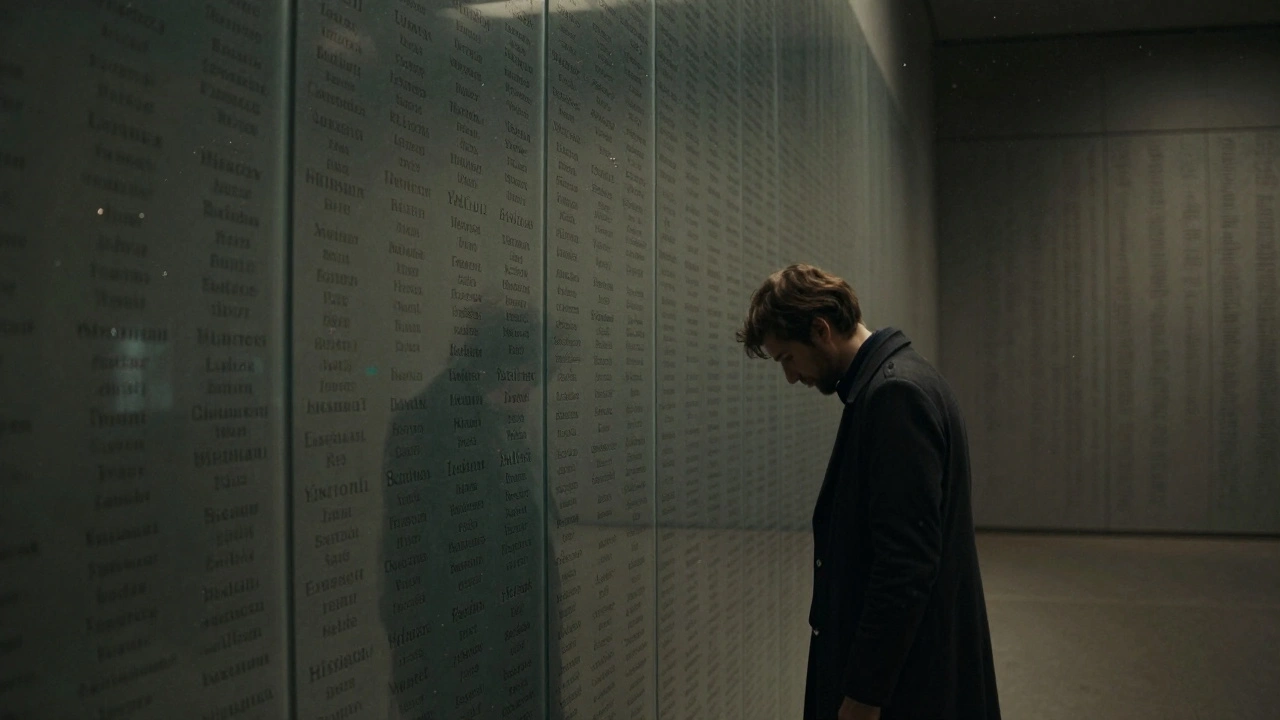
Try this: Read about the Holocaust in a book. Then go to Yad Vashem in Jerusalem. Walk through the Hall of Names. Look at 3 million names carved into glass. Each one a person. Each one a story. You don’t cry because you’re told to. You cry because you suddenly realize: they were real. And so are you.
Compare that to a 45-minute lecture with PowerPoint slides. Which one changes you?
Historical sites don’t test you. They transform you. You don’t pass a test. You become someone who knows what memory costs.
What emotion will you get?
Not awe. Not wonder. Something heavier.
You’ll feel connected. Not in a hippy-dippy, ‘we’re all one’ way. But in a brutal, quiet way. Like when you touch the graffiti carved into the walls of the Roman barracks in Hadrian’s Wall. Someone wrote their name there 1,800 years ago. Maybe they were homesick. Maybe they were scared. Maybe they just wanted to say: I was here.
You’ll feel shame. Not guilt. Shame. Because you realize how little you know. How much we’ve forgotten. How easily we let history become a theme park.
You’ll feel hope. Not because the past was perfect. But because people survived it. They loved. They built. They laughed. They carved their names into stone. And they didn’t give up.
That’s the real high. Not from a drink. Not from a hookup. From standing where someone else stood-and realizing you’re still here, too.
Where to start?
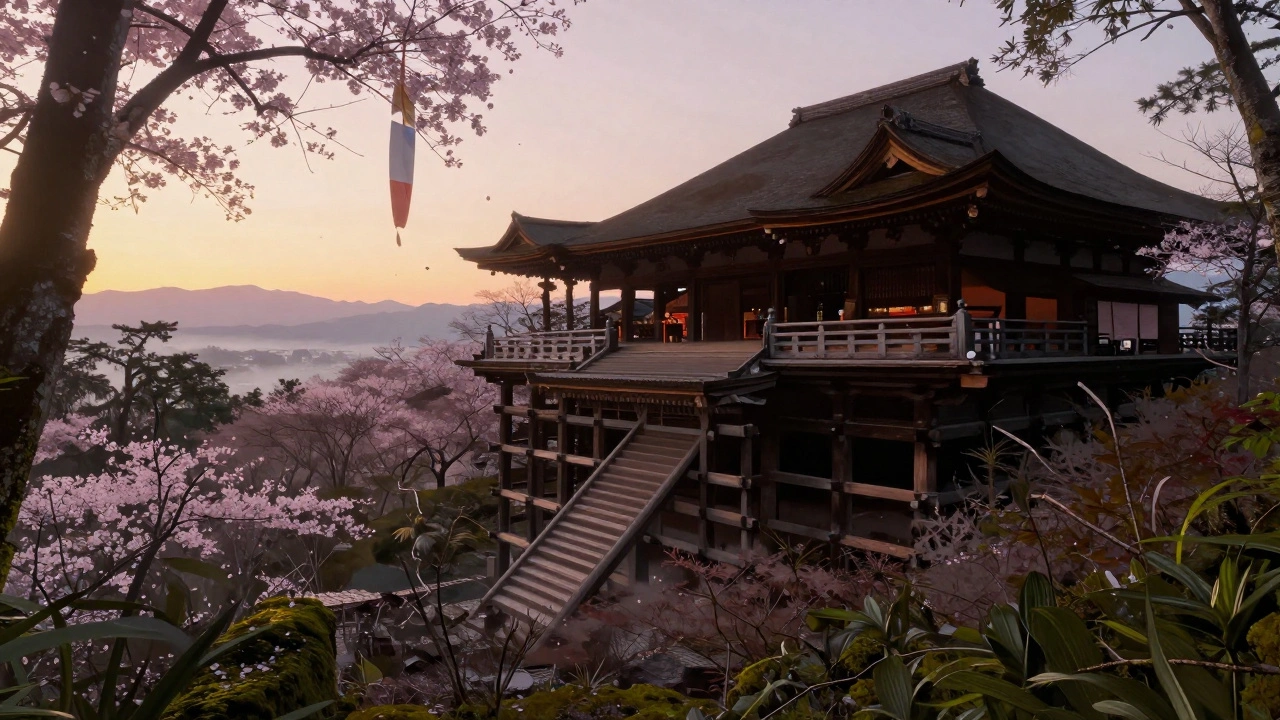
- Japan - Kyoto’s Kiyomizu-dera Temple. $10. Climb the wooden stairs. Look down at the valley. Feel the silence. This place has stood since 778 AD. No Wi-Fi. No Starbucks. Just trees, prayer, and time.
- Egypt - Karnak Temple. $15. Walk between the 134 massive columns. Touch the hieroglyphs. They’re not decoration. They’re prayers. Loud. Eternal.
- Peru - Ollantaytambo. Free. Hike up the stone terraces. The Inca built them to hold back invaders. Now, they hold back time.
- United States - Ellis Island. Free. Stand in the Great Hall. Imagine 12 million people arriving here, clutching their dreams and a single suitcase. No apps. No translators. Just hope.
Don’t go with a checklist. Go with an open heart. Leave your phone in your pocket. Or better yet-leave it at the hotel.
Final thought
History isn’t about dates. It’s about people. Real ones. With calloused hands. Broken hearts. And stubborn hope.
You think you’re looking for a vacation? Nah. You’re looking for a mirror. And historical sites? They’re the clearest reflection you’ll ever find.