Here's the honest truth nobody tells you before booking your flight to Dubai: most people waste at least three days standing in line. Three whole days could have been spent lounging by the Burj Khalifa pool or hunting for that perfect falafel near Al Seef. You're not just paying for five-star accommodation when you land here-you're paying to experience what one of the world's most ambitious cities can actually deliver.
I've lived in Dubai for seven years now, and I've learned something crucial: the city doesn't play fair with your schedule. If you think you can tick off all the highlights in four days, good luck. That timeline belongs to the tourists who leave feeling they only scratched the surface. Let's break down exactly how much time you actually need-and why it depends more on what you want than what brochures say.
The Core Experience: What Makes Dubai Different
Dubai is a modern metropolis combining Arabian heritage with futuristic architecture, luxury shopping, and diverse entertainment options. Located on the Persian Gulf coast of the United Arab Emirates, the city has transformed from a fishing village into a global destination in less than fifty years.
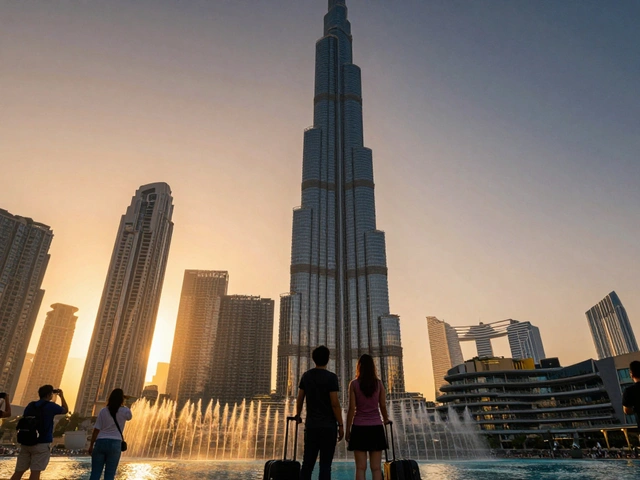
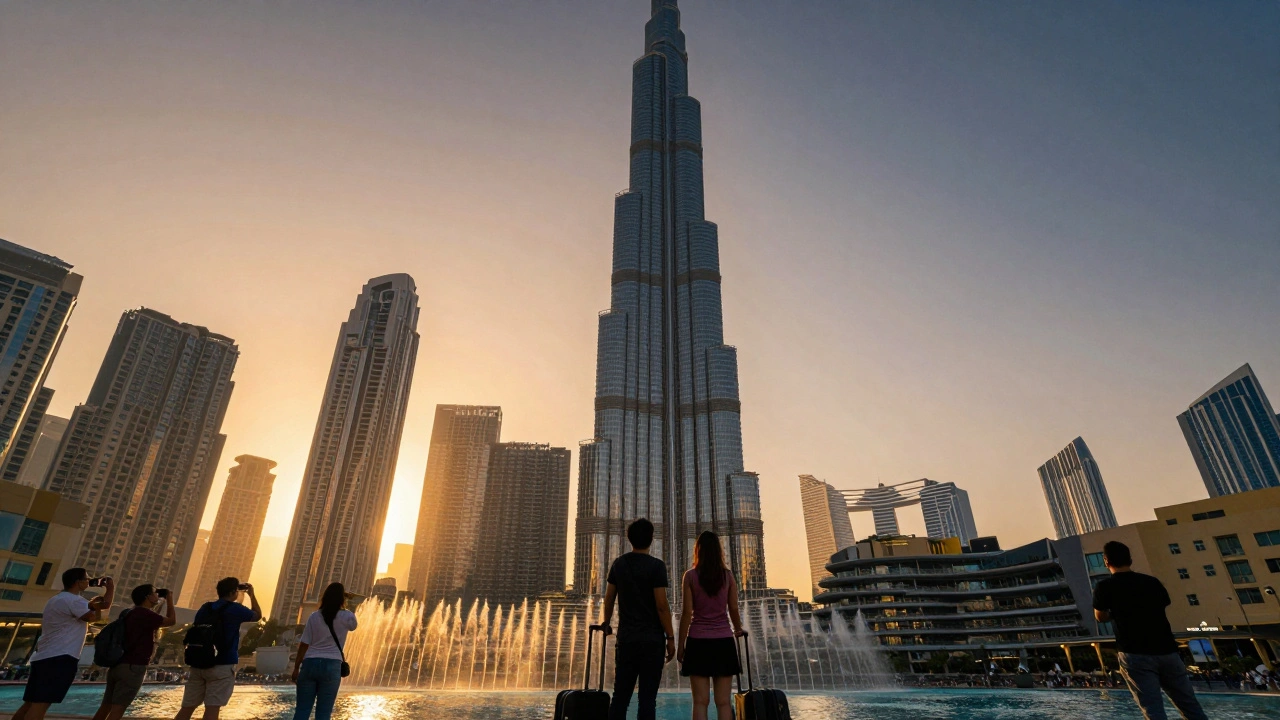
This isn't just another beach vacation spot. Dubai operates like a theme park designed for adults. You have the Burj Khalifa-the tallest building on Earth at 828 meters-where elevators moving at 10 meters per second whisk you up to observation decks overlooking everything. Then you have the Dubai Mall, housing over 1,200 shops and requiring its own internal map to navigate properly.
Attraction
Minimum Visit Duration
Best Time to Visit
Approximate Cost (AED)
Burj Khalifa (At The Top)
3 hours
Evening
145-370
Dubai Mall
4 hours
Anytime
Free entry
Desert Safari
6 hours
Afternoon departure
250-600
Palm Jumeirah Monorail
2 hours
Morning or evening
30 round trip
Global Village
3-4 hours
October-April
55 entry + food
These aren't optional extras-they're the foundation. Each requires dedicated time blocks because queues build up fast. During peak season (November through March), you're looking at forty-five minute waits for popular photo spots around Dubai Fountain alone.
Minimum Viable Trip: Four Full Days
If you're pressed for time and flying during shoulder season, four full days is the absolute minimum. Don't try to squeeze this into three-that's when people miss half the magic. Here's the reality:
- Day One: Arrive afternoon, drop bags, hit the Dubai Frame then Marina Walk. Evening at Dubai Fountain show (free, runs every thirty minutes). Total: five hours including transit.
- Day Two: Desert safari booked from morning through dinner (six hours including pickup). This gives authentic dune bashing, camel rides, and traditional dinner. Book operators offering no hidden charges-some charge extra for belly dancing shows.
- Day Three: Burj Khalifa morning slot, followed by Dubai Mall and the aquarium. Wrap with dinner at Souk Al Bahar rooftop restaurants facing the fountain. Five to six hours total.
- Day Four: Morning at Jumeirah Mosque or Gold Souk depending on interest, afternoon on Palm Jumeirah beaches. Evening at La Mer beachfront area. Four to five hours minimum.
That's fifteen to twenty hours of actual sightseeing, plus sleep time and transit. You cover the major landmarks without burning out. Missing Global Village or Dubai Creek? That happens. Prioritize based on what matters to you-architecture, culture, shopping, or pure relaxation.
Peak winter months (January and February) add complexity. Temperatures drop to pleasant eighteen°C but crowds triple. You'll queue longer, pay slightly more for same experiences, and book earlier. Summer visits flip this entirely-heat reaches fifty°C outdoors, so plan indoor activities and midday shopping rather than walking tours.
Optimal Experience: Seven Days With Room to Breathe
This is where travelers stop feeling rushed and start discovering surprises. Seven days lets you layer secondary experiences over primary ones without panic scheduling.
You visit Museum of the Future twice-once during day opening (9AM to 2PM) for fewer crowds, once after dark when lighting reveals architectural details you missed initially. You explore Dubai Opera performances without cramming them into tight slots. There's space for spontaneous detours to emerging neighborhoods like Al Wasl or business districts like DIFC for lunch with views.
Dubai Metro is a rapid transit system covering 70+ kilometers across the city with metro stations connecting major destinations efficiently. Currently serves both Dubai Mainline and Dubai Marina Line routes.
Public transport actually works well here. The Metro connects Downtown Dubai, Business Bay, Marina, and Airport Terminal sectors seamlessly. A weekly pass costs ninety dirhams-cheaper than multiple taxi rides. Just note operating hours end around midnight; late-night exploration means calling Careem or Hala taxis.
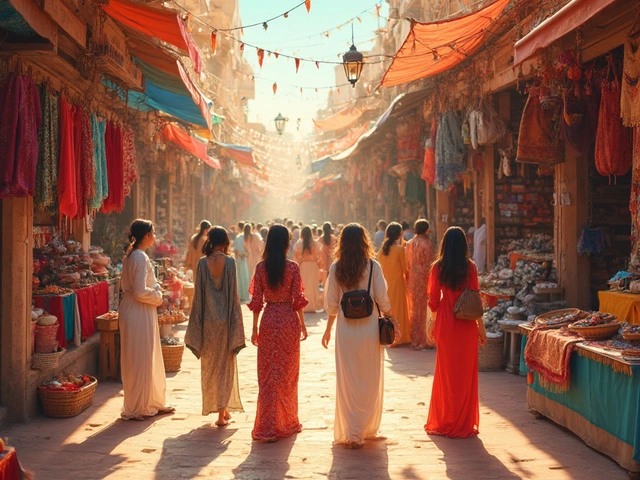
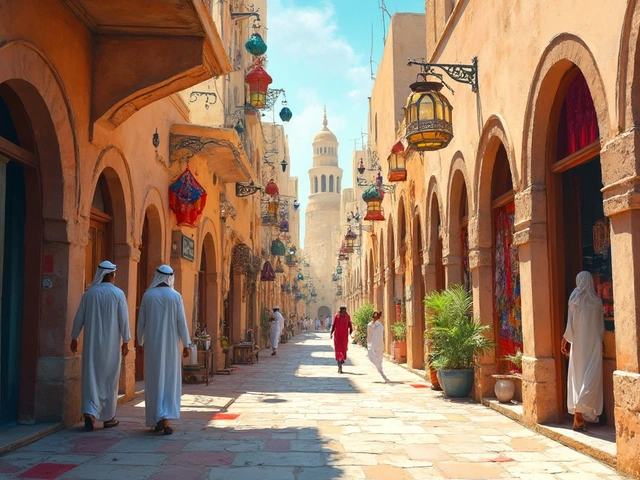
Cultural depth comes with extended stays too. Most first-timers skip the Heritage District entirely. With seven days available, you wander through Al Fahidi neighborhood (original wind tower houses dating back decades), attend Friday markets at Spice Souk, then sample traditional Arabic coffee at nearby cafés where older Emirati residents actually live.

The Luxury Tourist Factor
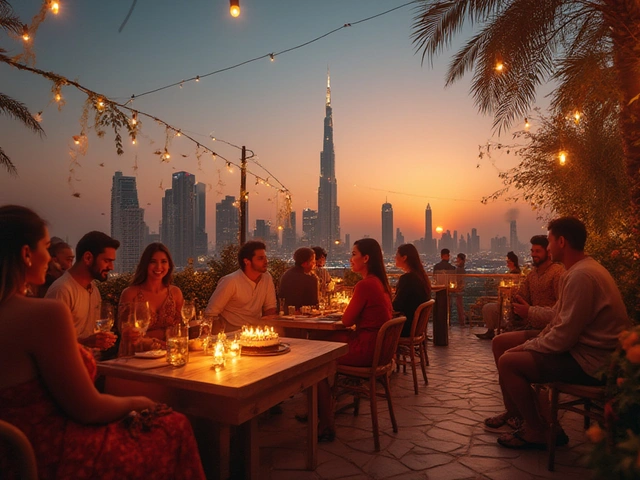
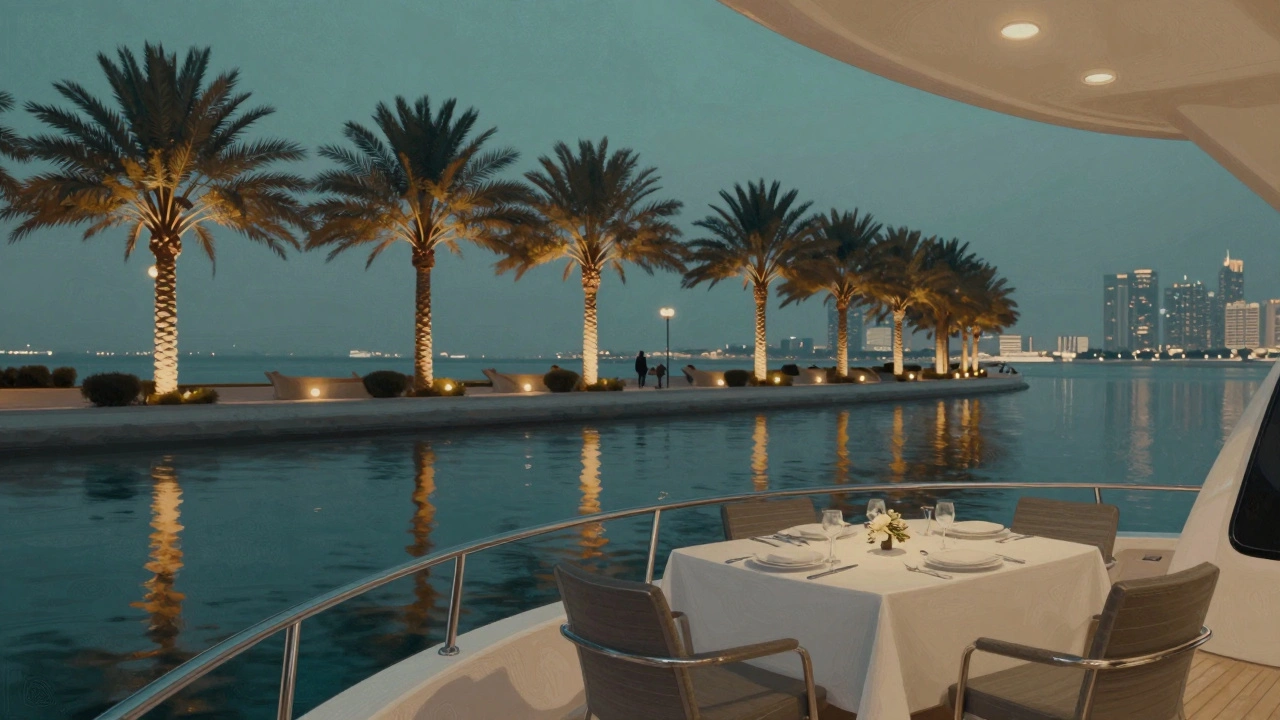
Some visitors treat Dubai differently. They don't check every attraction-they seek ultra-exclusive experiences unavailable elsewhere. Think private yacht charters departing from Jumeirah Beach at sunset (eight hundred dirhams per hour minimum), spa treatments at Atlantis The Palm costing three hundred dirhams per treatment, or reservations at celebrity chef restaurants like Zuma or Pierchic that require booking weeks ahead.
This demographic typically spends nine to ten days minimum. They arrive Thursday afternoon, depart following Monday. Their rhythm changes slower-no rushing between monuments, no squeezing desert safari into single day. Instead they might spend entire Saturday at The Hills villa district dining at different patios, Sunday relaxing at private beach clubs before heading to airport.
Luxury spending creates interesting paradoxes though. You'll find world-class service everywhere but also higher prices overall. A basic café latte costs eight to twelve dirhams in local joints versus twenty-five at hotel lobbies. Street food exists if you know where to look, otherwise restaurant bills accumulate fast.
Seasonal Planning Matters More Than Anyone Says
December through March = peak season. January alone sees visitor numbers jump forty percent compared to September. Hotels increase rates dramatically, sometimes doubling weekend pricing versus weekdays. Outdoor events get crowded, attractions run longer daily schedules handling overflow.
Summer (May through September) presents opposite challenges. Heat becomes legitimate health concern. Average outdoor temperature hits forty-eight°C by July. Smart travelers adjust schedules: indoor shopping mornings, air-conditioned mall exhibitions (like IMG Worlds of Adventure), late-evening rooftop dinners starting eight PM when temperatures drop below thirty-five°C.
Weather impacts decision-making directly. Winter demands early bookings-popular restaurants fill weeks ahead. Summer offers dramatic savings but limits daytime outdoor activities significantly. Your budget tolerance determines whether summer discount (sometimes sixty percent cheaper hotels) outweighs comfort loss.
Hidden Costs Nobody Mentions Up Front
Tourist Visa processing costs two hundred dirhams per person if processed through airlines. Airport fees separate from ticket prices. VAT on goods sits at five percent-seems small until buying electronics or designer fashion adds up quickly.
Transportation varies wildly by choice. Taxi from airport to Downtown Dubai costs eighty to one hundred dirhams during daytime. Metro covers similar route for seven dirhams total. Over week-long trip, public transport saves four to five hundred dirhams easily.
Food represents biggest discretionary variable. Budget travelers eat street food (falafel wraps at five dirhams, shawarma plates at fifteen). Mid-range restaurant meals average seventy dirhams per person excluding drinks. Fine dining exceeds three hundred dirhams quickly especially with added service charges.
Tipping customs here aren't standardized like America. Service charges typically included automatically (ten to fifteen percent), but cash tips for exceptional service appreciated. Hotel housekeeping usually five to ten dirhams nightly if staying extended periods.
Where People Go Wrong With Timing
First mistake: arriving Tuesday, leaving Wednesday of next week thinking "seven days" includes partial days. Realistically you lose arrival and departure days partially. Better to count actual full daylight hours-subtract half-day each end for flights, customs, hotel check-in/out logistics.
Second error: underestimating Ramadan timing impact. In 2026, Ramadan falls approximately March through April. During holy month, public eating/drinking during daylight restricted, operating hours shift, nightlife quieter, some venues close entirely. Not negative necessarily-different cultural experience-but needs planning adjustment.
Third problem: assuming weekends match home country expectations. Dubai official weekend currently Friday-Saturday (though many businesses operate seven days). Major retail centers open longest during weekend, meaning crowds peak those days specifically.
Is four days enough to see Dubai?
Four full days covers main attractions without burnout, but won't include deeper cultural exploration or luxury experiences. Good for first-time visitors prioritizing major landmarks over comprehensive discovery.
What's the best time of year to visit Dubai?
November through March offers comfortable weather (twenties°C range ideal) for outdoor activities. Prices peak during December-January holidays. May-September cheaper but extremely hot outdoors limiting daytime activities significantly.
How much money should I budget daily in Dubai?
Budget travelers need minimum three hundred dirhams daily for food and transport. Comfortable mid-range spending runs six to seven hundred dirhams per day including meals and activities. Luxury experiences exceed one thousand dirhams daily easily.
Can I visit Dubai alone as a solo traveler?
Absolutely safe and popular among solo travelers. Well-developed infrastructure, English widely spoken, public transport reliable. Consider joining group tours for activities like desert safaris if traveling independently for social aspect.
Do I need a visa to visit Dubai?
Most Western passports receive automatic visa-on-arrival valid for thirty days free of charge. Some nationalities require pre-arranged visas through airlines or sponsors. Always verify eligibility before booking flights to avoid delays.
Sixty days later when you return home, you'll realize time allocation determined your entire experience quality. Rushed four days leaves lingering feelings you barely scratched surface. Seven days creates memories spanning neighborhoods, seasons, flavors you didn't even know existed. Pick your strategy honestly against what you genuinely want-not Instagram feeds showing impossible itineraries squeezed artificially into tight windows.