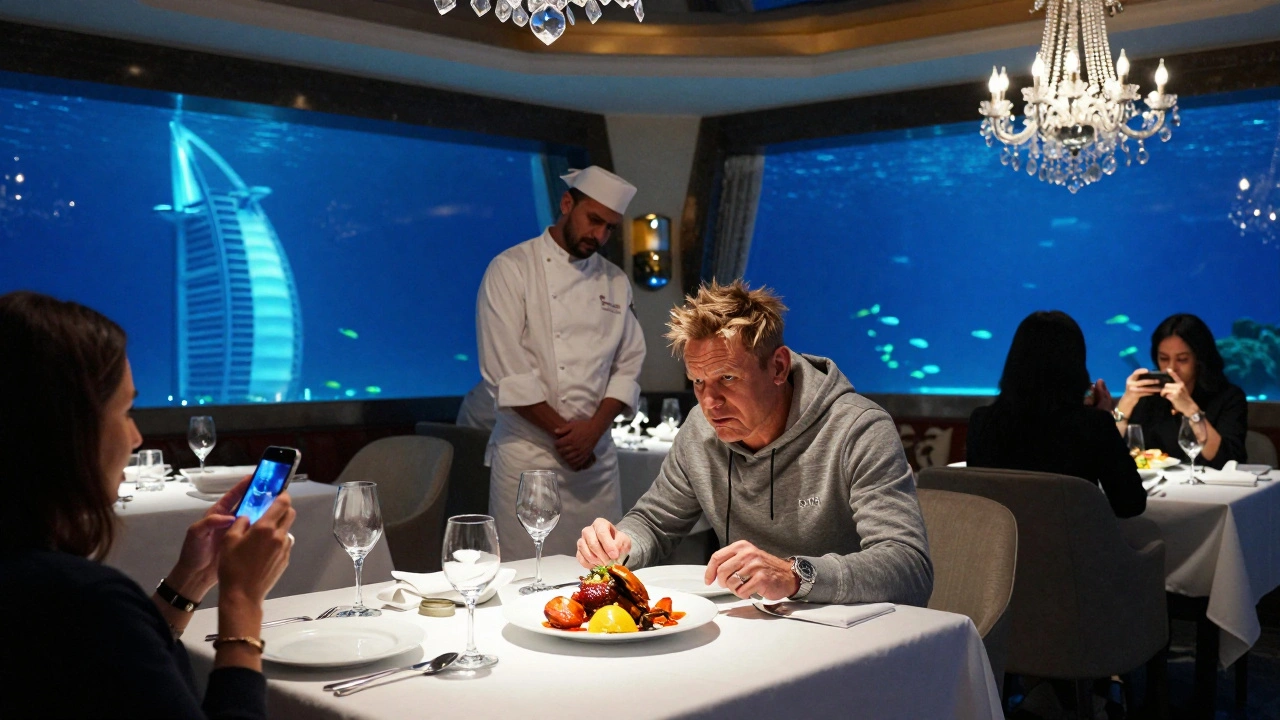
Let me tell you about the night I almost got thrown out of a Dubai restaurant for laughing too loud. Not because I was drunk - though I was - but because I made a joke about Gordon Ramsay yelling at a chef who’d just served him overcooked lobster. The waiter froze. The table next to me went silent. And then, from the kitchen, a voice roared: "That’s not a lobster. That’s a crime against seafood." I turned around. No Ramsay. Just a guy in a white hat who’d clearly watched too many episodes of Hell’s Kitchen.
But here’s the real story - the one they don’t tell you on Instagram reels or YouTube compilations. One Dubai restaurant actually tried to sue Gordon Ramsay. Not for bad reviews. Not for stealing recipes. For ruining their brand by showing up and telling the truth.
What Happened? The Restaurant That Thought It Was Above Criticism
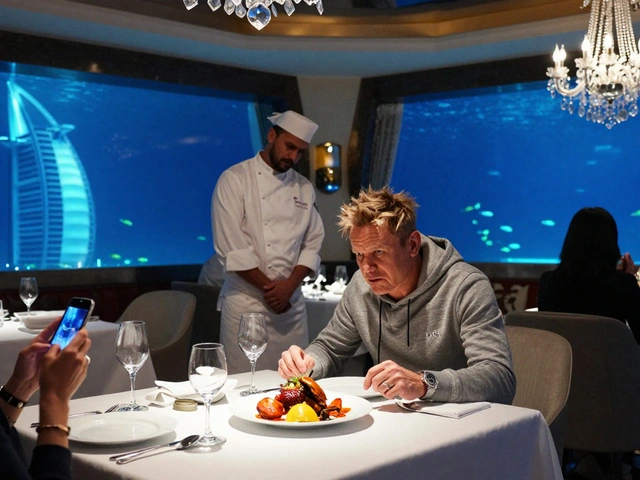
It was 2017. Ramsay was filming a segment for his show Hotel Hell - yes, the same guy who once screamed at a chef for serving a steak that looked like a hockey puck. He rolled into Dubai’s most expensive, most hyped-up, most overpriced restaurant: Al Mahara, inside the Burj Al Arab. You know the one. The underwater tunnel. The $400 lobster. The waiters who treat you like you’re paying in gold bars, not AED.
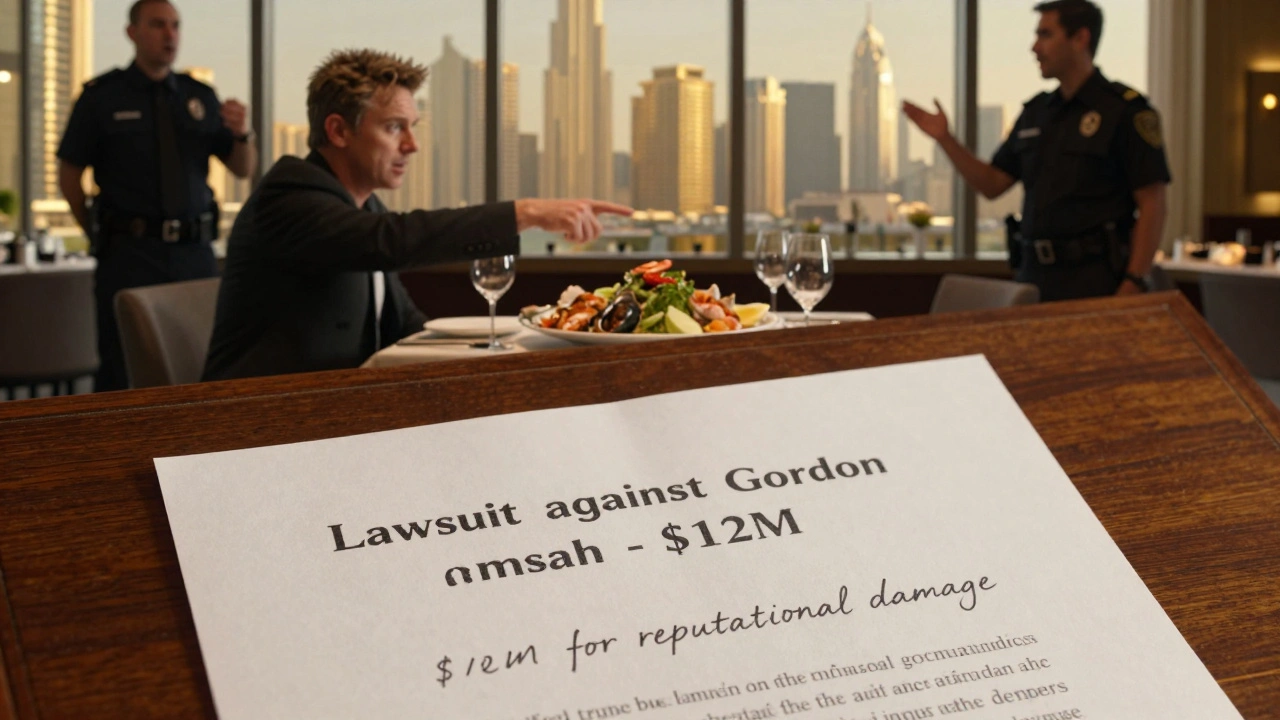
Ramsay walked in. Ordered the signature seafood platter. Took one bite. Looked up. Said: "This tastes like someone microwaved a fish and called it fine dining." The chef cried. The owner panicked. The guests started filming. And then? The restaurant sent a lawyer. Not a complaint. A lawsuit. Claiming Ramsay damaged their reputation by calling their food "culinary terrorism."
They wanted $12 million. For a meal that cost $320.
How Did Ramsay Even Get In? And Why Did They Let Him?
You think these places are closed to outsiders? Think again. Ramsay didn’t sneak in. He booked under a fake name - "Richard Brown," no photos, no press release. He paid in cash. No credit card trail. No VIP treatment. Just a guy in a hoodie, sitting at table 14, eating like he’d just escaped a desert trek.
And here’s the kicker - they didn’t even know it was him until the cameras rolled. The staff thought he was just another rich idiot from London. Until he started yelling about the squid being overcooked by 47 seconds. That’s when the manager realized: this guy doesn’t just eat here. He owns the standards.
Al Mahara’s mistake? They thought Dubai’s elite wouldn’t care what a British TV chef said. They forgot - in this city, reputation is currency. And Ramsay? He’s the central bank.
Why Is This Still Talking About Today? The Real Reason It Went Viral
Because Dubai restaurants are built on illusion. You pay $500 for a plate of pasta that tastes like regret. You pay $200 for a cocktail that’s mostly ice and glitter. And you smile. Because you’re in Dubai. And if you’re not paying for the experience, you’re paying for the image.
Ramsay didn’t just insult food. He broke the spell.
After the lawsuit dropped, the restaurant’s Google reviews went from 4.8 stars to 3.1 in 72 hours. People started posting videos of their own meals: "This is what $300 looks like. Thanks, Ramsay." One guy uploaded a video of his grilled octopus - blackened, rubbery, served with a side of attitude. He captioned it: "This is Al Mahara’s version of ‘seafood.’ I ate it. I lived. I regret it. 2/10." It got 12 million views.
Al Mahara? They dropped the lawsuit. Quietly. No press release. No apology. Just a new menu. Same prices. Same staff. Same fake ocean vibes.
What’s Better Now? The Real Gems You Should Be Eating Instead
If you want real food in Dubai - not the Instagram version - here’s where to go:
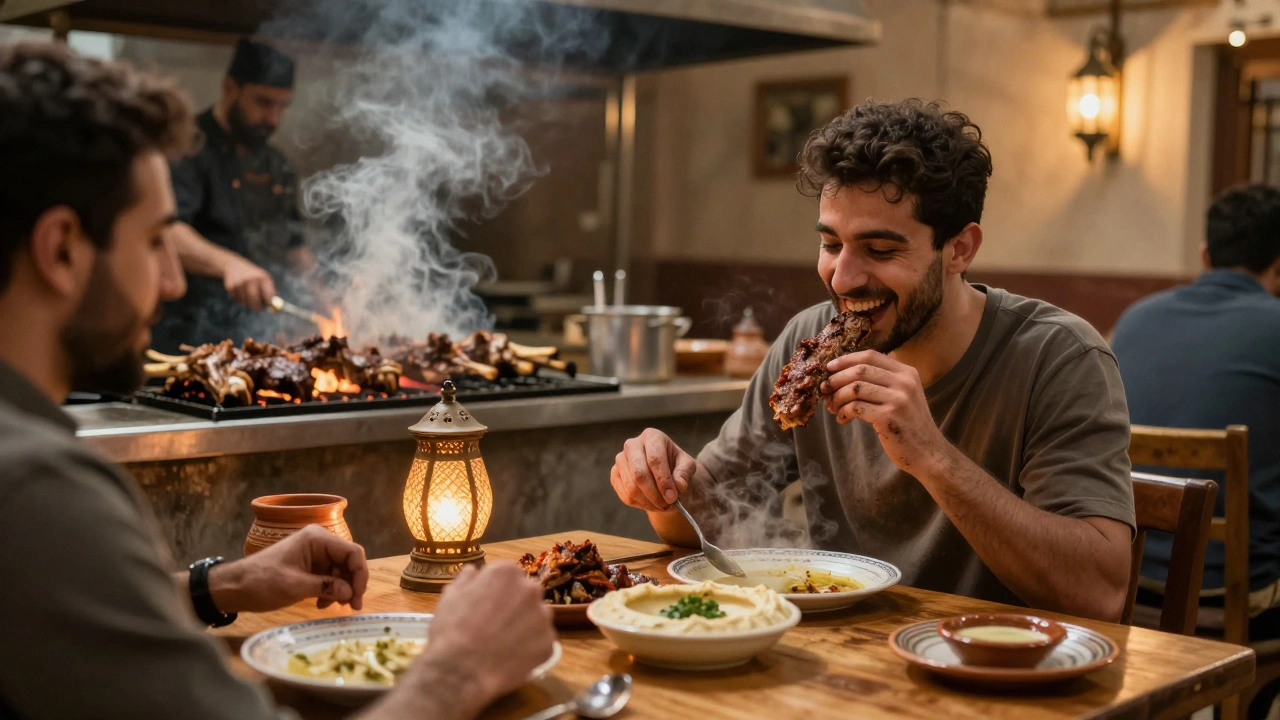
- Al Nafoorah - Lebanese. $15 for grilled lamb. $3 for hummus. Chef cooks in the open. You can smell the za’atar from the street. No velvet curtains. No underwater tunnels. Just meat, fire, and honesty.
- Al Fanar - Emirati. $40 for a full traditional spread. Camel meat? Yes. Date syrup? Yes. No one’s screaming. No one’s filming. Just locals eating like their ancestors did. You’ll leave full. And proud.
- Wahaca - Mexican. $22 for tacos that actually taste like they were made by someone who’s been to Mexico. Not a corporate food lab. The salsa? Homemade. The tortillas? Fresh. The bartender? Doesn’t charge you for the vibe.
Compare that to Al Mahara’s $320 seafood platter. You’re paying for the view. The lighting. The silence. The fact that no one will laugh if you burp. But you’re not paying for flavor. You’re paying for the illusion that you’re special.
What Emotion Will You Feel When You Eat the Real Stuff?
Let me tell you what you’ll feel when you sit at Al Nafoorah, chewing on lamb that’s been marinated for 12 hours with garlic, lemon, and a secret spice blend the chef won’t tell you about - even if you offer him a thousand dirhams.
You’ll feel alive.
Not the fake adrenaline of a yacht party. Not the hollow high of a $500 bottle of champagne. But the deep, quiet, gut-level satisfaction of eating something real. Something made by hands. Something that doesn’t need a mirror to look good.
That’s the emotion Ramsay was trying to protect. Not his ego. Not his brand. But the idea that food should mean something. That you shouldn’t have to pay $300 to feel like you’re not being scammed.
That’s why the lawsuit failed. Not because it was weak. But because Dubai’s soul isn’t in the Burj Al Arab. It’s in the alleyways. In the back kitchens. In the guy who wakes up at 4 a.m. to grind his own spices.
Al Mahara tried to sue the truth. And lost.
And now? You know where to go.